
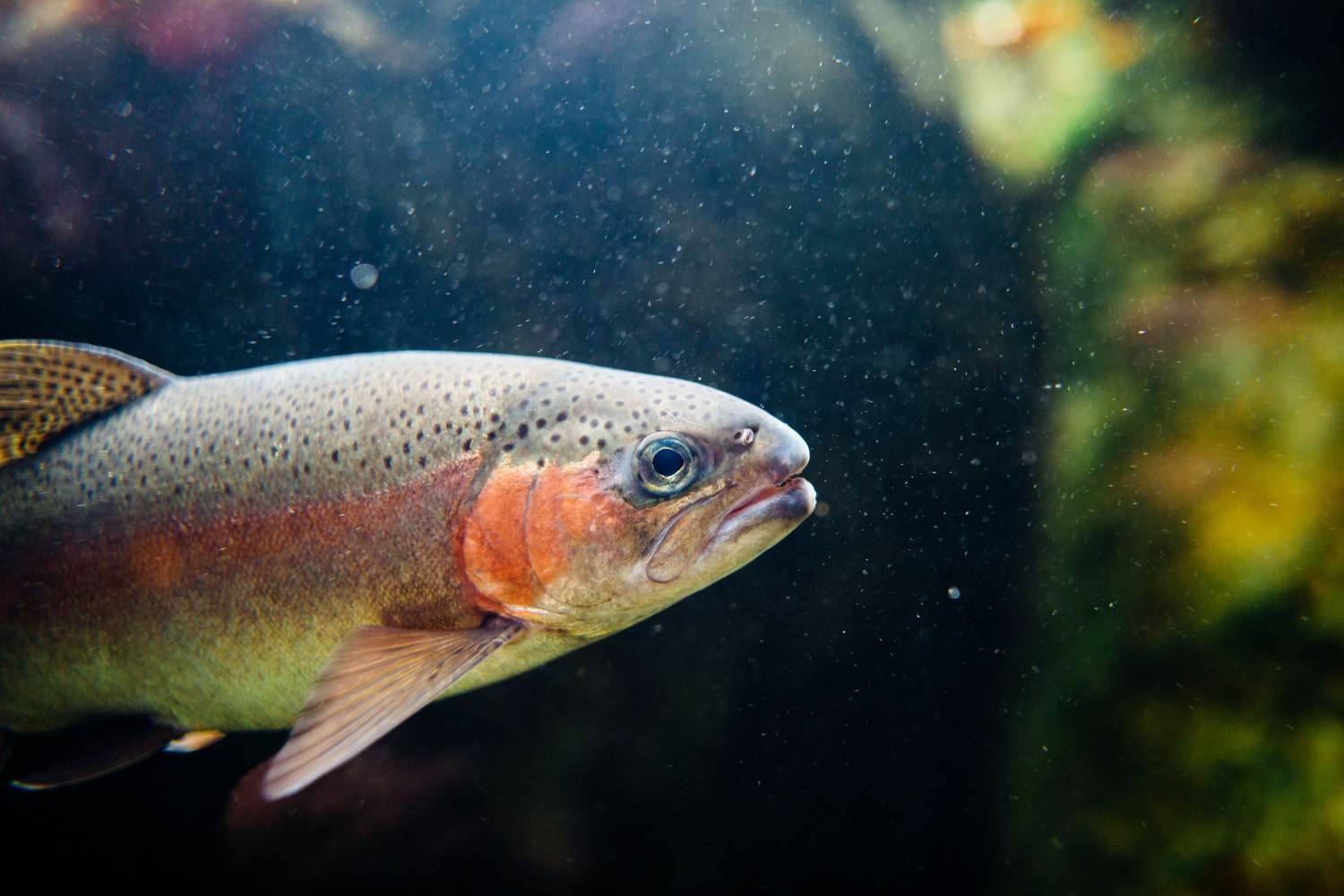
An unprecedented green offensive is reshaping the faunal balance between Europe and Asia, positioning Turkey at the forefront of environmental conservation policies. During 2025, the Ankara authorities coordinated a gigantic repopulation operation which saw the reintroduction of 3,745,402 animals into their respective original habitats.
This massive ecological maneuver was entirely planned and implemented by the Directorate General for Nature Conservation and National Parks, initialed with the acronym DKMP, which operates under the strict guidance of the Ministry of Agriculture and Forestry. The initiative is not limited to combating the decline of local species, but aims to rehabilitate food chains damaged by anthropisation.
The species released into the wild and the historical balance since 2001
The detailed census of releases carried out in the last year reveals a diversified strategy depending on the territories. The forested and mountainous areas welcomed 152 wild mammals and 45,250 birds, inserted to reinvigorate the terrestrial populations. However, the lion’s share was fenced off from the water environments, into which the experts introduced 3.7 million trout with the specific objective of stabilizing the biological chain of the internal basins. This recent effort is part of a macro-project active since 2001, which in twenty-four years has ferried over 51.1 million creatures to Turkish natural sanctuaries, including 1.48 million birds and 2,421 mammals.
The expansion of protected boundaries and the census of fauna
To guarantee the survival of the released specimens, the State has simultaneously sealed its natural borders. At the end of 2025, Turkey extended its legally protected area to 3.8 million hectares, recording an increase of 39,800 hectares compared to the previous season.
The framework of reserves managed by the DKMP today includes 690 protection areas, within which there are 50 national parks, 274 natural parks, 85 wildlife development areas and several wetlands, including 14 Ramsar areas protected by international treaties. Scientific monitoring conducted in these oases has already made it possible to identify 29,694 specimens belonging to 17 different protected species.
Noah’s Ark digital vault for mapping species
Scientific monitoring in the field not only serves immediate protection, but feeds a real state IT infrastructure. With a floristic heritage that boasts 13,343 seed plants and a very high rate of endemism, which includes 3,301 endemic species and 391 local endemics, the country needed an advanced tracking system.
All the data collected is systematically entered into the national Noah’s Ark database. This digital platform assigns an identification code to each individual species, cross-referencing historical data with scientific literature to monitor the movements and health of the animals over time.
You might also be interested in:
