
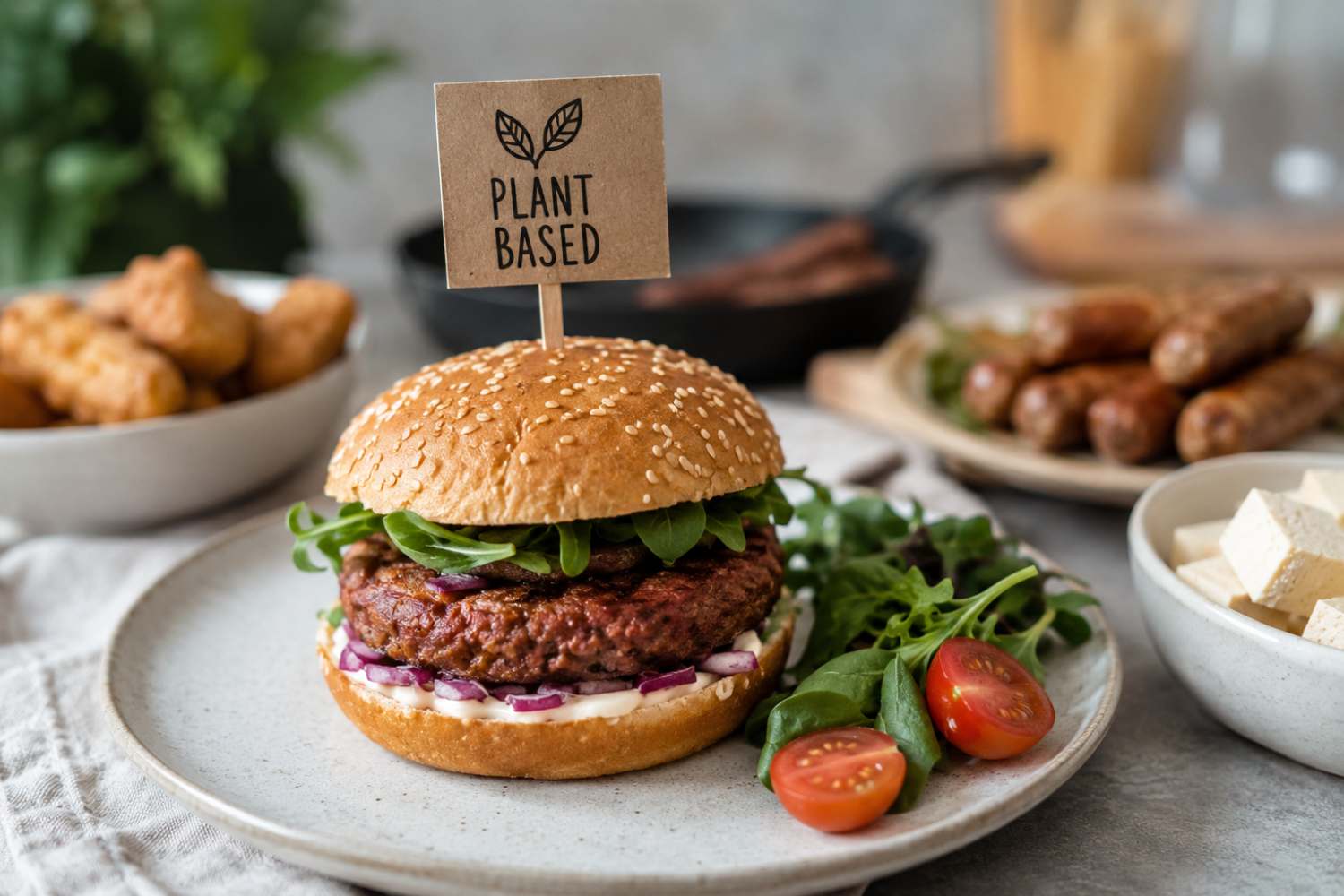
In the end, the veggie burger can still be a burger. The steak, however, no. It seems like one of those lunch break discussions, yet for years it has occupied institutional tables, parliamentary commissions, agri-food lobbies and environmental associations. Is called meat soundingand it is the battle fought with words around vegetable products that resemble, in form or use, those based on meat.
The latest chapter comes from Brussels, where – after months of negotiations – a compromise has emerged: some names considered descriptive of the preparation (just like hamburger, burger or sausage) can continue to be used for plant-based products, while terms associated directly with meat or its cuts, such as steak, fillet, bacon, ribs or leg, remain off limits.
Therefore, the European consumer can still buy a chickpea burger, but not a pea steak. An issue that is presented as consumer protection. In short, someone might get confused when they read “vegetable burger” and think they are dealing with beef.
But does it really happen?
In recent years the Court of Justice of the European Union has observed that an averagely informed consumer is perfectly able to distinguish a plant product from an animal product when the labeling is clear. For this reason it has rejected national attempts, such as the French one, to broadly ban terms such as hamburger or steak for plant-based foods.
It’s hard to imagine someone buying a package that says in big letters “veggie burger“, accompanied by leaves, legumes and vegan certifications, convinced that he was bringing home a Florentine steak. After all, no one seems to have ever raised particular alarms about chocolate salami, the almond milk used in common parlance or peanut butter.
Therefore, in our opinion, reducing the debate to a linguistic issue would be naive. Behind meat sounding there are enormous economic interests: on the one hand there is the European livestock industry, which is seeing the market for alternative proteins grow – albeit slowly. On the other hand, there are companies and startups that try to make consumers more familiar with products that are often perceived as new or far from traditional eating habits. In this context, words become a battleground.
For meat producers, reserving certain terms for animal products means defending the identity, tradition and commercial value of their supply chains. For the plant-based sector, however, using words already understood by the public facilitates the adoption of foods with a generally lower environmental impact than animal proteins.
A truly urgent priority?
The sense, however, is that Brussels continues to devote a surprising amount of energy to a semantic dispute while the European food system faces much more demanding challenges. The climate crisis, the loss of biodiversity, food security, dependence on feed imports and the need to reduce agricultural emissions seem decidedly more urgent issues than the fate of the word “steak”.
Yet the dossier continues to periodically return to the table of the European institutions. So much so that in 2025 some amendments even proposed banning terms such as hamburger and sausage for plant-based products, only to then run aground in subsequent negotiations.
The reality is that the success of plant-based products will not depend on the name printed on the package. It will depend on taste, price, nutritional quality and the ability to respond to consumer needs. Nobody becomes a vegetarian because they read the word hamburger. Just as no one buys a lentil burger thinking they are eating meat.
This is why the meat sounding war risks appearing more and more like a symbolic battle. A discussion on vocabulary that ends up obscuring the most important issue: how to make the European food system more sustainable, resilient and accessible.
In the meantime, we can continue to eat veggie burgers. The steaks, however, will have to wait. Or maybe just change your name.
