

In the Sicilian countryside a real and hidden treasure is growing. These are the tenderknown in dialect as “tinnirma”, Single and length sprouts of long courgettes which represent the essence of the Sicilian anti -pronounced cuisine.
The peasant tradition has transformed what could be discarded into a delicious ingredient: once again the ingenuity of our grandparents has created a recipe that today belongs by right to the gastronomic heritage of the island.
A special vegetable with a poetic name
Tennerumi come from Longissimo lagenaryvariant of the Siceary lagenary – plant belonging to the family of Cucurbitaceae It is better known as “Fiasco pumpkin”, of which even the Roman writer Lucio Giunio Moderate Columella spoke in his “De Re Rustica” and Pliny the Elder in his “Naturalis Historia” – which is called “pergola pumpkin” and produces the so -called “long courgettes”.
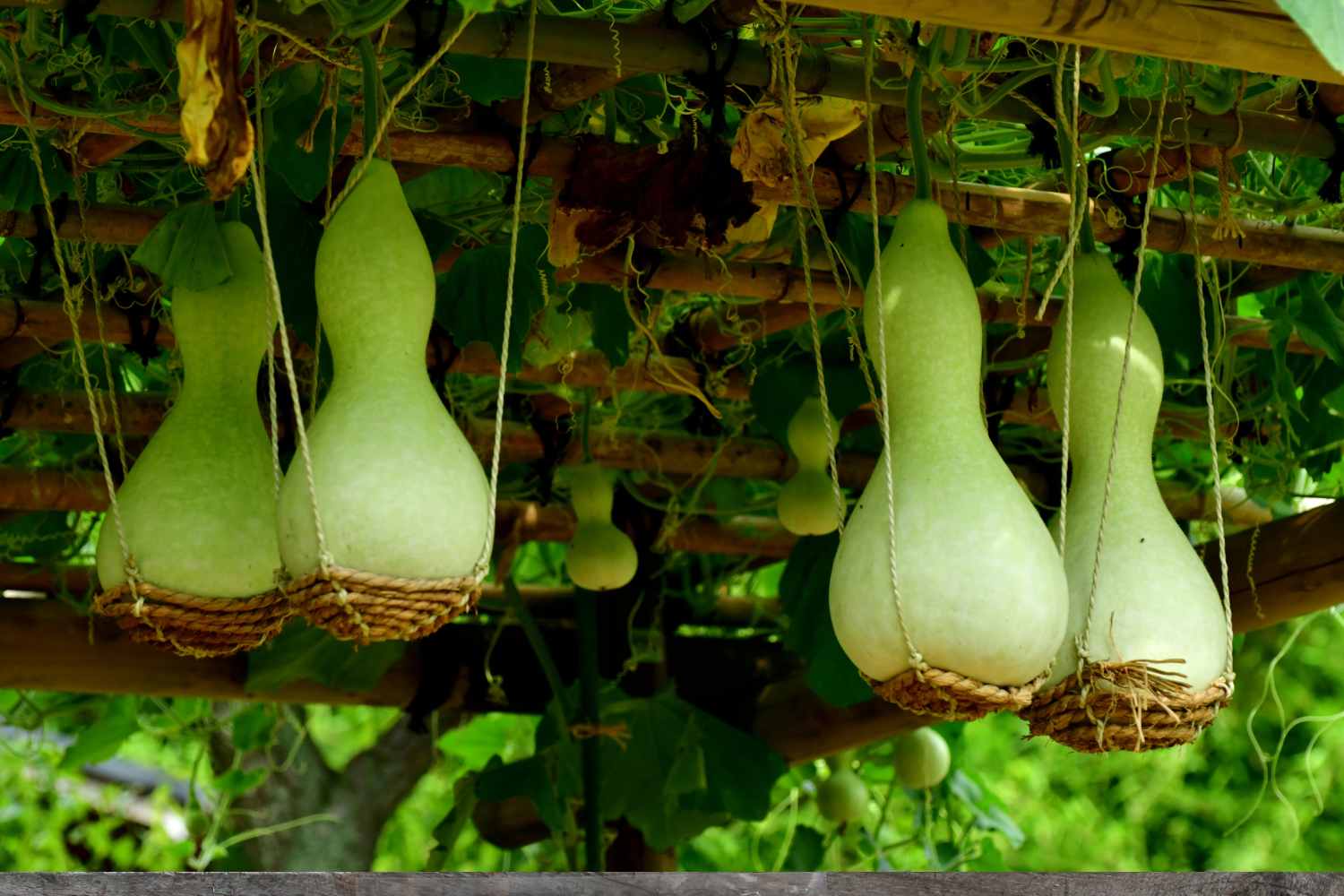
The long lagenary can reach impressive dimensions and also overcome the length meter. The plant is mainly widespread in southern Italy, where it finds the ideal climate to thrive.
The leaves and the most tender sprouts are collected with care, only the young parts are selected, those that are soft and delicate to the touch: it is precisely this careful selection that gives tender their characteristic sweet taste and velvety consistency.
Beneficial properties not to be underestimated
Tennerumi are delicious, and here it does not rain, but they are also healthy, since have different properties, both diuretic and purifyingprecious for the body: in fact, they contain important minerals such as magnesium and potassium, essential elements for the well -being of our body.
The natural lightness makes them perfect allies for anyone looking for a refreshing meal. As he writes Giuseppe Coria – former military, journalist as well as a member of the Italian Academy of Cuisine, he was the author of many volumes on Sicilian gastronomy – in his book “Perfumes of Sicily”, our vegetable is considered perfect to “let the stomach rest”.
From the earth to the table: how to prepare them
The preparation of the tender requires some precautions. First of all you have to carefully clean the leaves, eliminating the hardest and fibrous stems. The washing must be abundant, under cold running water, to remove any trace of earth.
Once cleaned, the tenderings lend themselves to different preparations: they can pan with fresh tomato, use for one omelette rustic or like Base for a soup With potatoes. Versatility is certainly one of their main characteristics.
The traditional recipe: Tennerumi soup
The most famous preparation remains the soupan iconic dish of Ragusan cuisine then spread throughout Sicily. The ingredients are simple but of quality: long courgettes, tender, onion, tomato, basil and broken spaghetti.
For four people you need:
The procedure begins by selecting the long courgette: you will have to remove the external peel and internal seeds, then cut into regular cubes. Remember a basic principle: Tennerumi must be selected by choosing only the peaks and the most tender leaves.
In one large pot Fry the chopped onion with the extra virgin olive oil, then add the courgette courgette, season with salt and black pepper, cover everything with water and add the tomato sauce together with fresh basil.
When the water boils, the moment of the tender comes. The cooking continues for about twenty minutes, until the vegetables have become tender, and at that point you can add the broken spaghetti, which will have to cook al dente.
Before serving, The soup must rest for a few minutesbecause it should be tasted lukewarm, never hot. In this way you can test the delicate flavor of the tender, which goes perfectly with the natural sweetness of long courgettes.
A dish that tells Sicily
The Tennerumi soup represents the soul of Sicilian cuisine: simple but rich in flavor, cheap but nutritious.
It is the symbol of a peasant tradition that does not waste anything and knows how to transform the most humble ingredients into truly memorable dishes, a heritage to be preserved and handed down to the new generations.
