
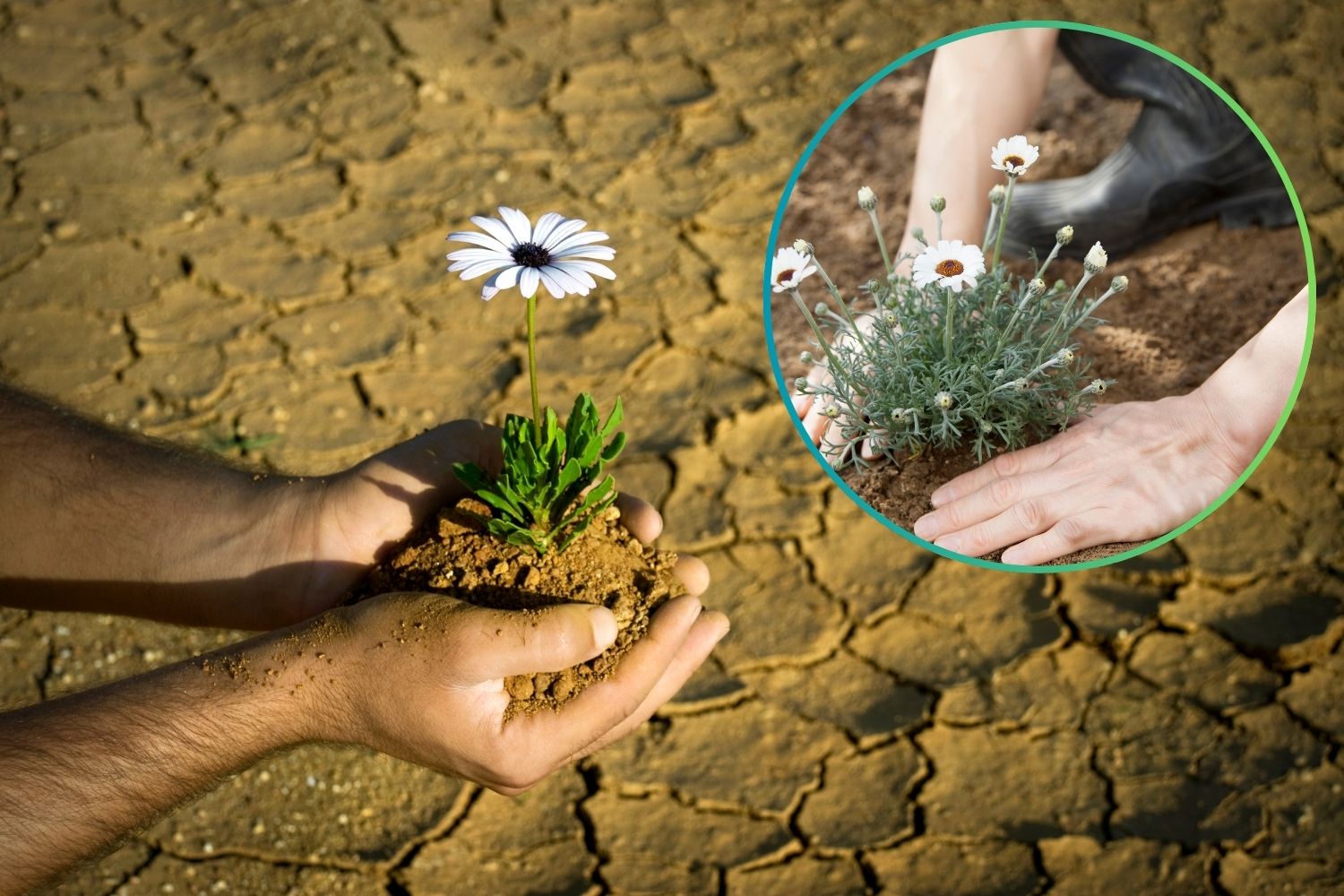
The heat has never been tender with the gardens, and anyone who has tried to keep a flowerbed alive in July knows it well: continuous watering, crumpled leaves, flowers that seem to cook in the sun and a general situation that, if not carefully monitored, risks degenerating in a failure.
Fortunately, there are plants that resist very well at high temperatures, and which even thrive under the fiery sky of the summer. The secret? Choose the right species.
Here is a selection of five plants capable of bear high temperatures and dry soils. Beautiful, robust and not very demanding, highly recommended for those who love green but cannot (or do not want) spend hours and hours with the water tube in hand.
Lavender
It is impossible not to start with her, because lavender is the queen of the heat. Originally from the Mediterranean basin, she is used to living in extreme conditions: poor soils, direct sun, long periods without rain. Purple and fragrant ears not only attract bees and butterflies, but give the garden a relaxing, almost Provencal atmosphere.
Another advantage? Once well rooted, lavender requires very little water, and does not need frequent fertilizers. Indeed, the more dry and stony, the more comfortable it will be at ease. Potala once a year, and she will return with years of uninterrupted blooms.
Gaura
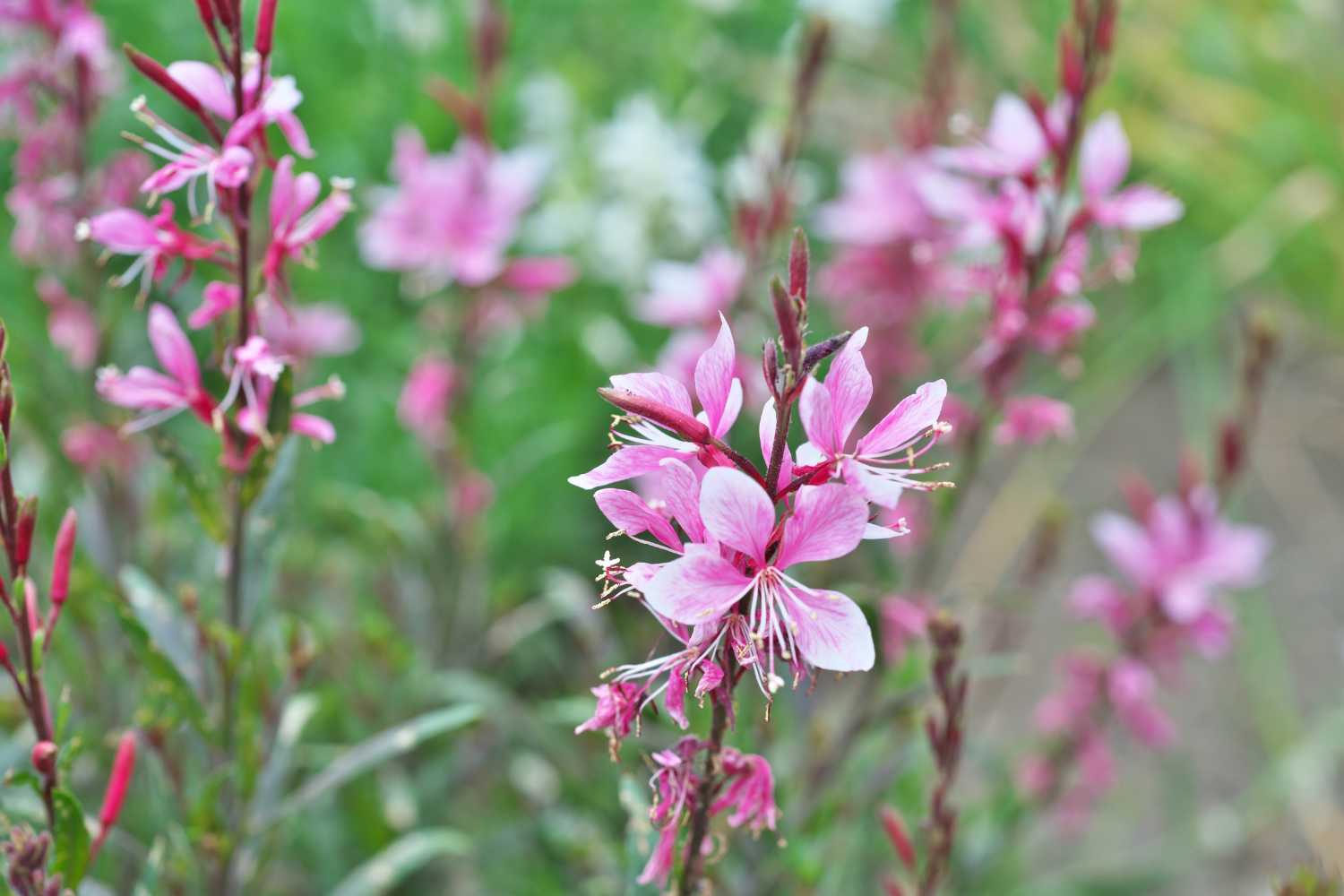
Gaura is one of those plants that seem fragile: the thin stems, the white or pink flowers that oscillate at the slightest breath of wind … give the idea of something delicate. In reality, it is a real “survivor”. Originally from Texas and Mexico, it does not fear heat waves, nor prolonged drought.
Perfect in mixed flower beds or borders, it blooms for months – often from June until late September – without asking for almost anything. A well -suned position and well -drained soil is enough. It is one of the best allies of those who want continuous color, without stress.
Sedum
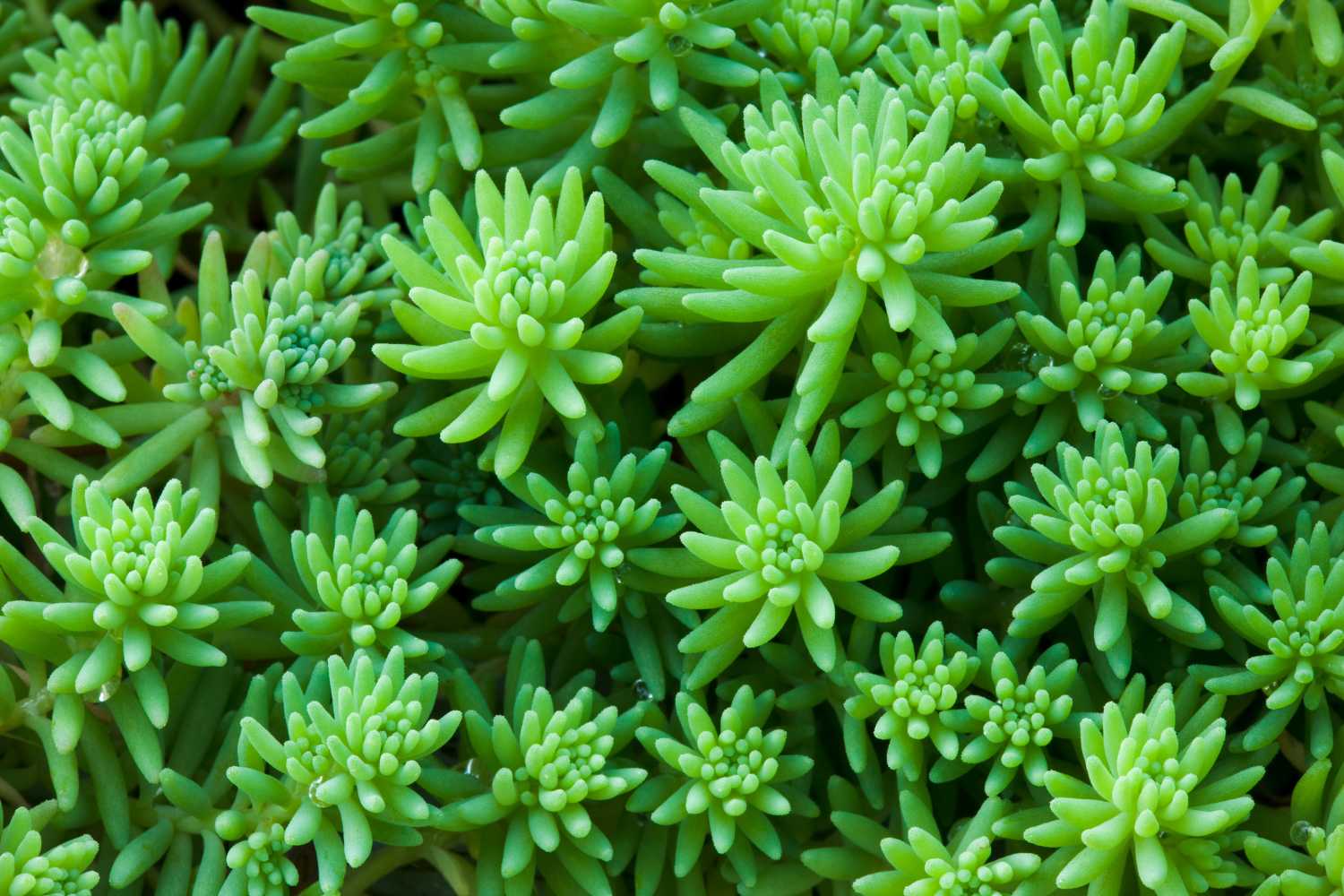
Here we enter the world of succulents. The sedums, often also called “borracines”, are succulent plants capable of holding the water into the fleshy leaves, an aspect that makes them perfect to face long dry periods.
There are many varieties, from covering bearings to large autumn sedums such as the speciable sedum. Some are covered with small star flowers, others give colored masses towards the end of the season, in common they have an incredible rusticity and orderly growth, which does not require continuous care. Absolutely recommended for anyone who wants to set up a not too demanding garden, but full of life.
Helichrysum
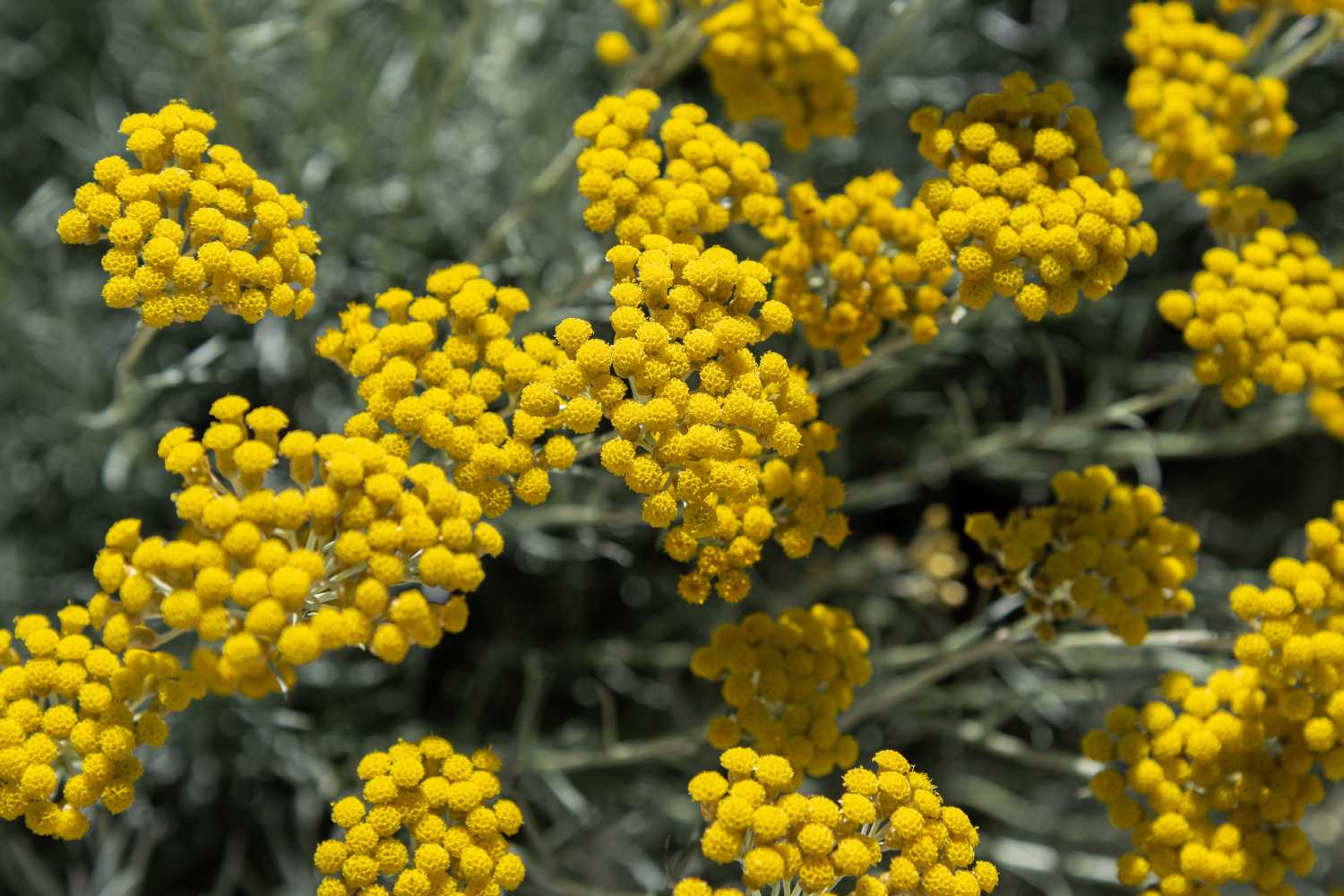
The Elichrisio plant, also known as the “curry plant” for the spicy perfume of its leaves, has an orderly bearing and a gray-argent color that illuminates the summer gardens. He loves the full sun and dry soils.
It blooms with small yellow leaders who stand out above the silver foliage, resists well in the wind and salt, therefore also perfect in the sea gardens. And if you love aromatic plants, he is a perfect companion for thyme, rosemary and sage, with whom he shares needs and habitats.
Plumbago
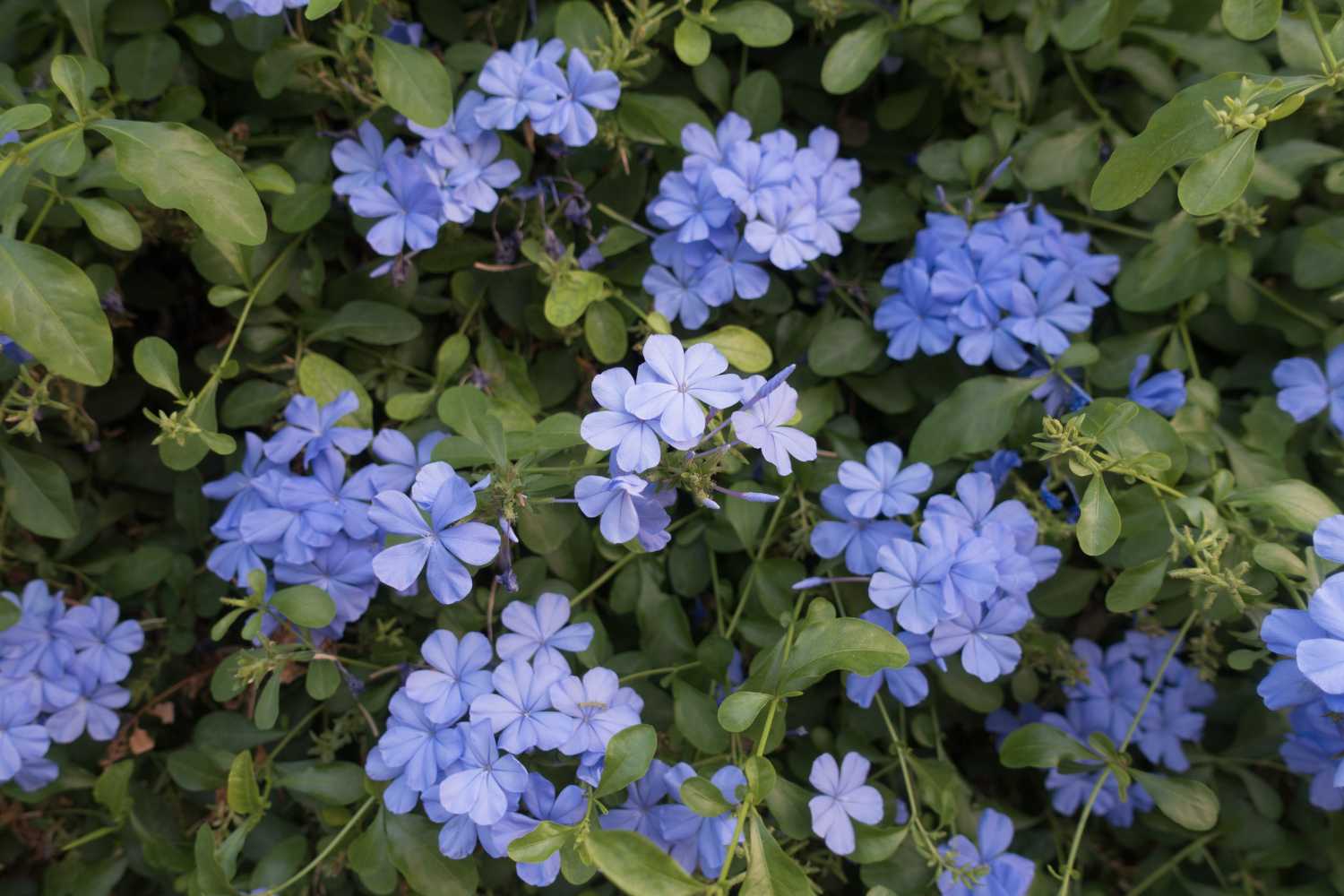
Species as we could define as a real “blue luxury”. Plumbago is a plant that can give abundant celestial blooms, almost unreal to intensity and durability. It climbs with discretion, covers pergolas, railings and grilled, or widens in a bush where it finds space.
He loves the sun and does not let himself be intimidated by the heat, asks only for a bit of water during the driest periods, but without particular needs. In areas with mild climate it can remain outdoors all year round, elsewhere it can be grown in pots and repair in winter. Definitely an excellent choice to give verticality and color even in the most torrid moments.
A beautiful garden even in summer
Those who think that the summer garden is necessarily a desert of burned leaves and dried flowers, probably has not yet discovered the potential of these plants: a few precautions are enough, a careful selection and a little trust in nature.
Of course, the automatic irrigation system can help, even if with the right species often it is not even necessary, the important thing is to remember the usual dictates, that is, to avoid stagnation of water, guarantee a good drainage, and not overflow with watering in the wrong moments. The heat, then, also has its positive sides: more intense colors, more persistent scents, blue skies that make each flower more alive. So what’s the point of choosing delicate plants, if there are robust, generous alternatives and – let’s face it – much more rewarding?
Bet on the right plants: your garden will thank you! And you will have more time to enjoy it, instead of chasing it with the watering can in hand.
