
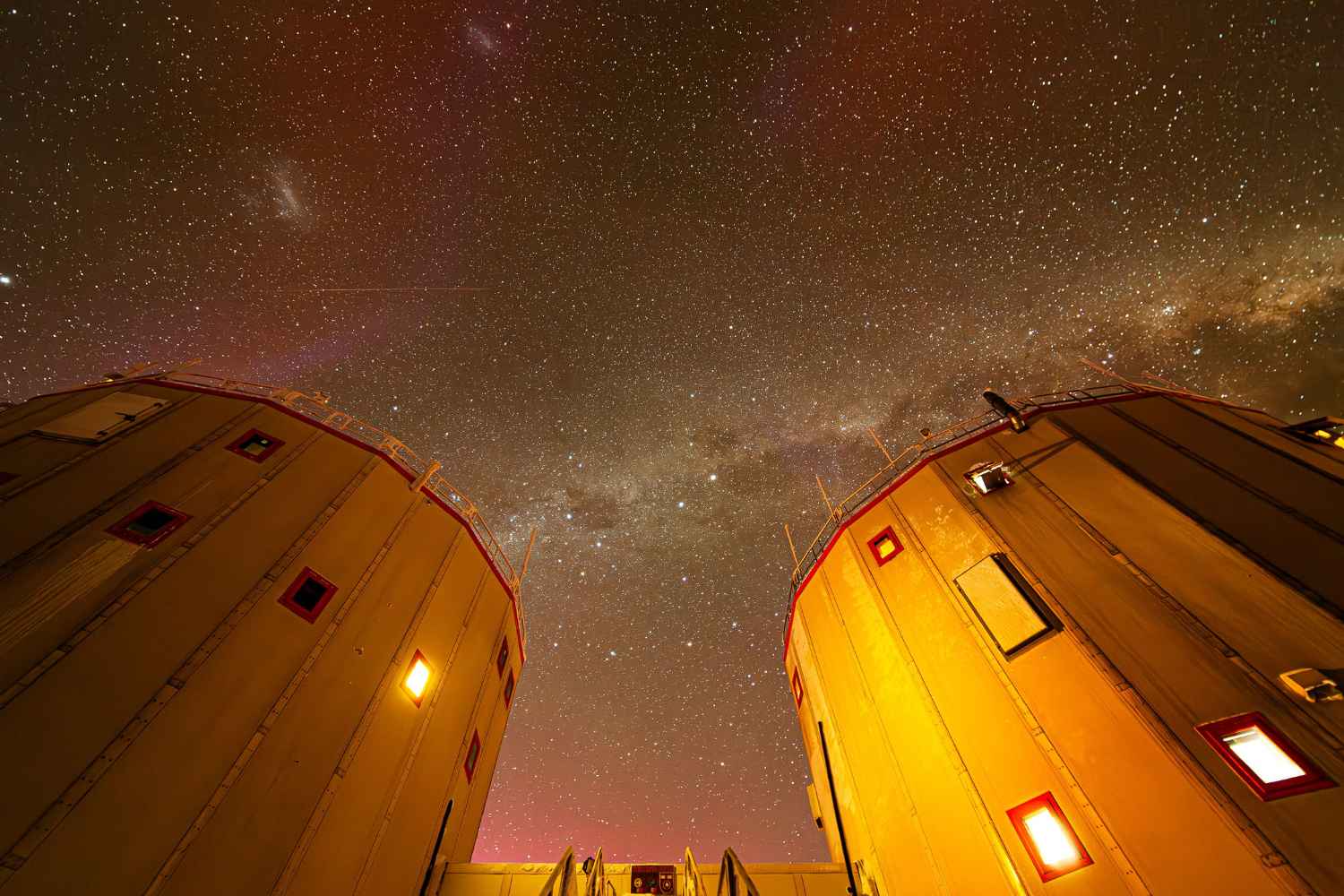
From 2 December 2025 to 23 January 2026, the historic headquarters of the CNR hosts an interactive scientific journey to the most extreme continent on the planet
Temperatures reaching -90°C, landscapes that seem from another world, ice kilometers thick. Antarctica is the most inhospitable place on Earth, yet Italy has been sending its researchers there for 40 years. And what they discovered is worth telling.
Forty years of Italian research on ice
From 2 December, in the headquarters of the National Research Council in Rome (Piazzale Aldo Moro 7), “Antarctica, the white continent. 40 years of Italian research” opens. It’s not the usual exhibition with panels and captions. Here you can touch, experience, and above all talk to those who have actually been there.
Until January 23, 2026, anyone can enter for free and find out what really happens on the most remote continent in the world. With a significant advantage: the researchers who lived there are there to tell what it’s like.
More than an exhibition, an experience
Set up in the Digital Gallery, Multipurpose Room and 3D Room of the CNR, the exhibition takes you inside Antarctica. Videos, interactive installations, jaw-dropping images. But the real treat is being able to chat with those who have spent months among those ice, doing research in conditions that most of us can’t even imagine.
How do you sleep when it’s -50 degrees outside? How do you work when a storm strands you on base for days? What do you eat? And above all: what the hell do you go to study in a place like this?
Why Antarctica matters (more than you think)
It seems distant, unattainable, almost alien. But what happens in Antarctica affects us all. Melting ice causes sea levels to rise. Climate records preserved in ice tell us what the climate was like thousands of years ago. Extreme ecosystems show us how life adapts to the impossible.
Italy is not there by chance. Forty years of research have produced important discoveries. From climatology to biology, from geology to oceanography. Stuff that ends up in international scientific journals and which serves to better understand our planet.
Practical information
Free entry, but you need to book if you go in a group or with the school (via Booking CNR).
Hours:
Visits last 90 minutes. There are courses designed specifically for schools, with experiments and interactive activities.
A team effort
Behind the exhibition is the work of the CNR together with the National Scientific Commission for Antarctica, the National Antarctic Museum, ENEA, the National Institute of Oceanography and many researchers from Italian universities and bodies working on Antarctica.
An opportunity to see up close what Italian research does and why it is worth investing in. And maybe discover that Antarctica isn’t as far away as it seems.
