
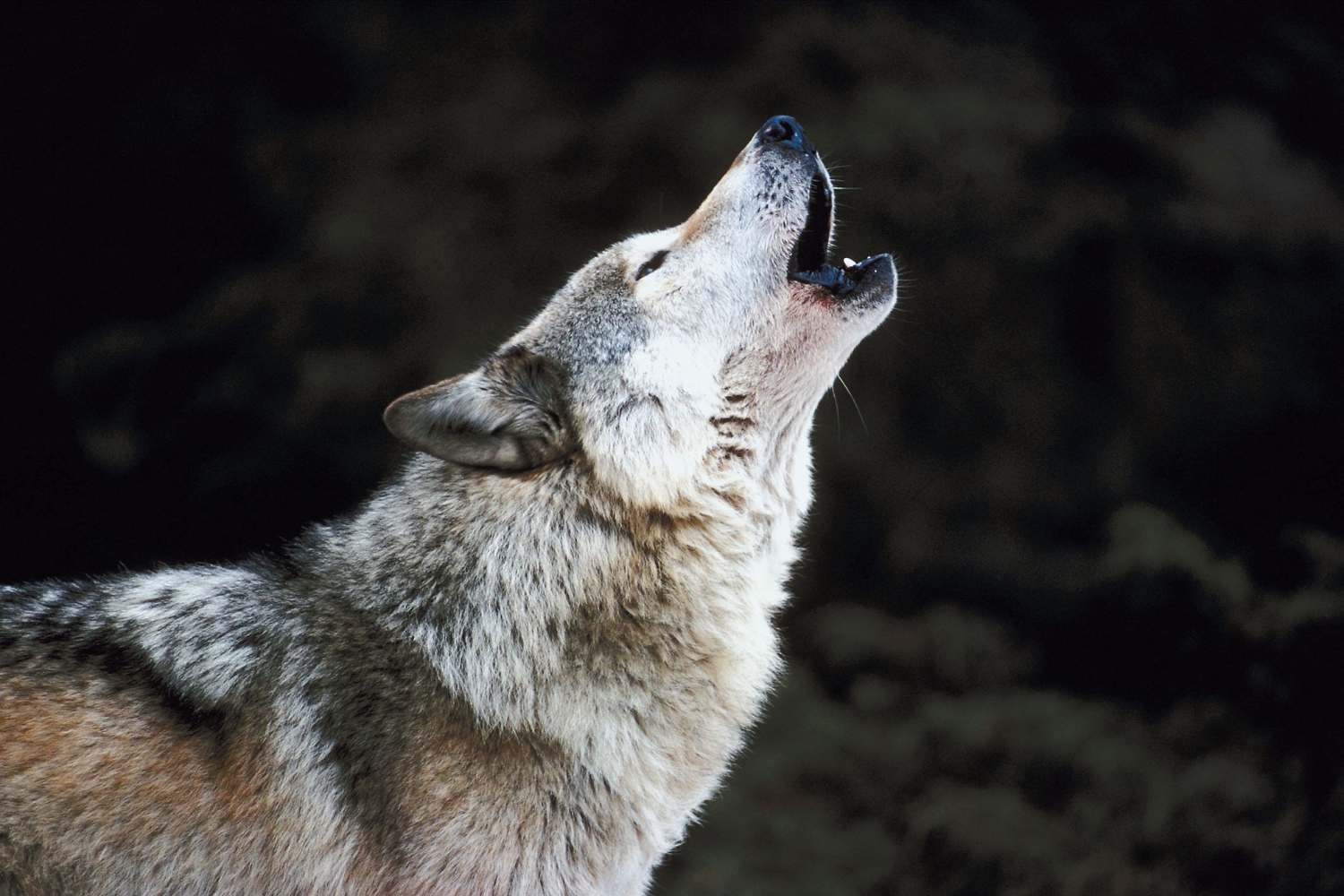
The forest of Val Badia has become the scene of a scheduled execution that reignites the very violent debate on coexistence with large carnivores. On Sunday morning, 5 July, the agents of the South Tyrolean Forestry Corps, supported by the local game wardens, identified and killed a wolf in the municipal area of Marebbe.
The official order came directly from the president of the Autonomous Province of Bolzano, Arno Kompatscher, who had signed the withdrawal decree on Thursday evening. The institutional motivation is based on a series of raids documented and certified in recent weeks at the Malga Fojedora, where the animal had repeatedly attacked the fences causing the death of numerous sheep and goats.
The weekend strategy and the legal battle
For the provincial government it was a necessary act to protect the mountain economy and stop the bleeding of the flocks, but the reaction from the environmentalist world was not long in coming and is very harsh. Leading the revolt is Ivana Sandri, representative of the Trentino Enpa (Rovereto Section), who openly contests the bureaucratic timing of the operation.
According to the protectionist association, the signing of the decree on Thursday evening and the action on the field on Sunday morning hide a precise temporal strategy, inherited from the events in Trentino, aimed at preventing the legal appeals of the associations before the intervention of the guns. Ivana Sandri denounces what she defines as a biocidal plan that ignores Article 9 of the Constitution on the protection of biodiversity, accusing the institutions of bending wildlife to the sole logic of farming and mass tourism, neglecting conflict prevention measures.
It is already the second wolf killed in South Tyrol
The killing of Marebbe is not an isolated case, but is part of a new international legal framework. The recent amendment to the Habitats Directive has in fact downgraded the status of the wolf from a “highly protected” species to a simply “protected” species, granting local administrations much wider margins of maneuver than in the past. This is the second wolf killed in Alto Adige, after the previous intervention in Val Venosta which took place in 2025, and follows the line already traced in Trentino on the Lessinia mountains.
Enpa highlights with concern how this trend is following what is already happening in Austria, where in 2026 the death of one specimen every eight days was recorded, threatening the natural role of the predator as a fundamental bioregulator of ungulates to protect human crops themselves.
You might also be interested in:
