
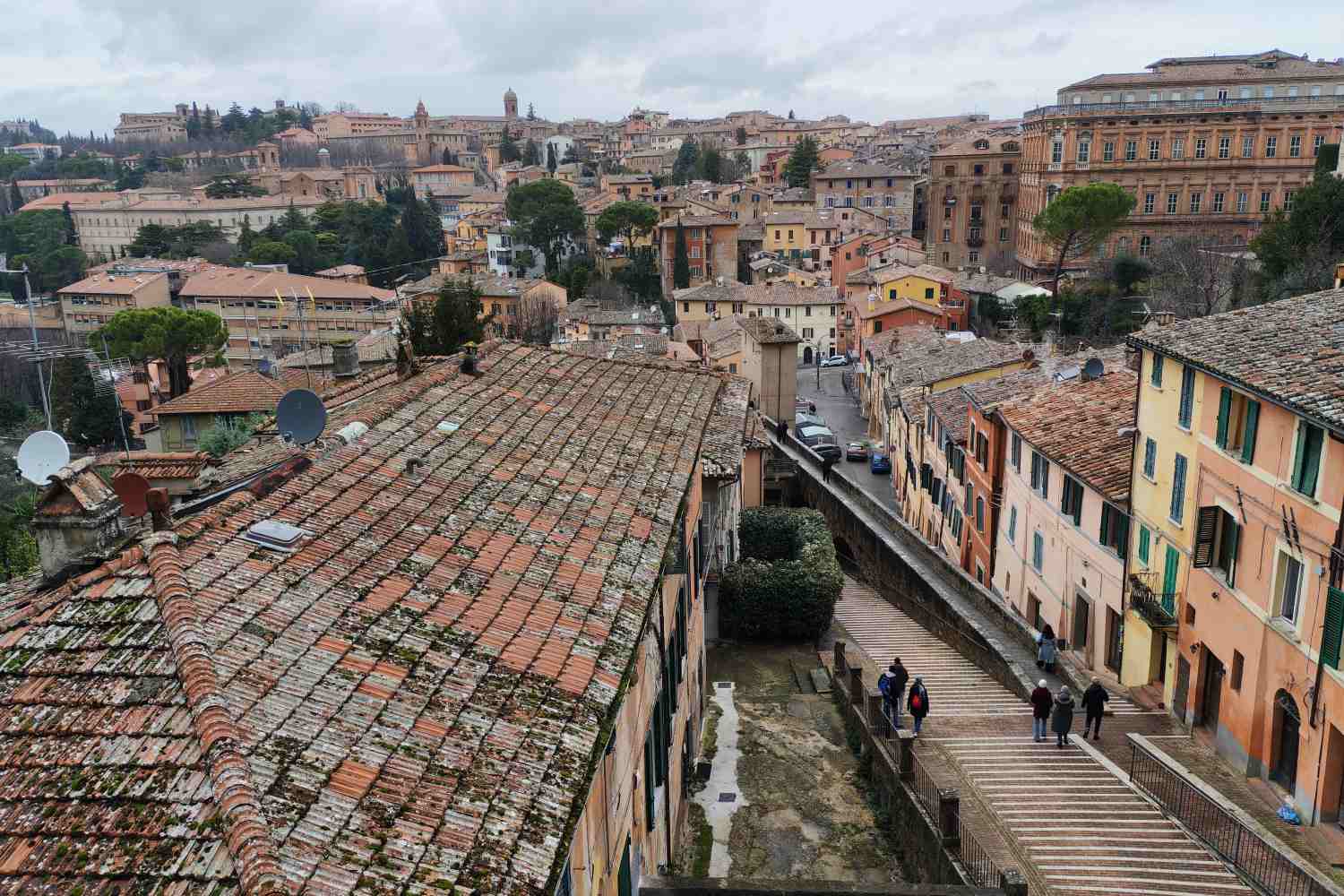
Perched on a hill overlooking the Umbrian valleys, Perugia is a city that slowly reveals itself, between climbs, stone arches and alleys that still retain the breath of the Middle Ages. Capital of Umbria, it preserves a stratified heritage that goes from Etruscan origins to Renaissance elegance, passing through scenic squares and underground paths that tell centuries of history.
But Perugia is not just the past: it is also a lively, university and creative city, where tradition meets contemporary energy. And it is precisely here that another of its most curious and beloved identities was born: that of the city of chocolate, linked to the history of Perugina and the famous Bacio Perugina, a sweet symbol that brought the name of the city throughout the world.
The medieval heart: Piazza IV Novembre and the Fontana Maggiore
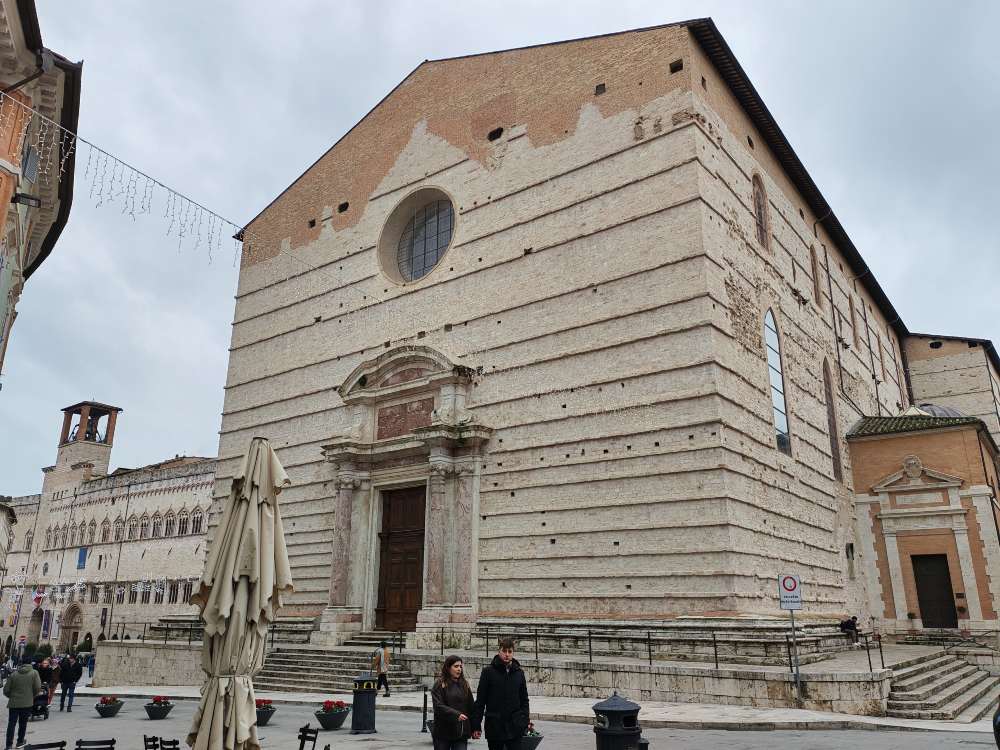
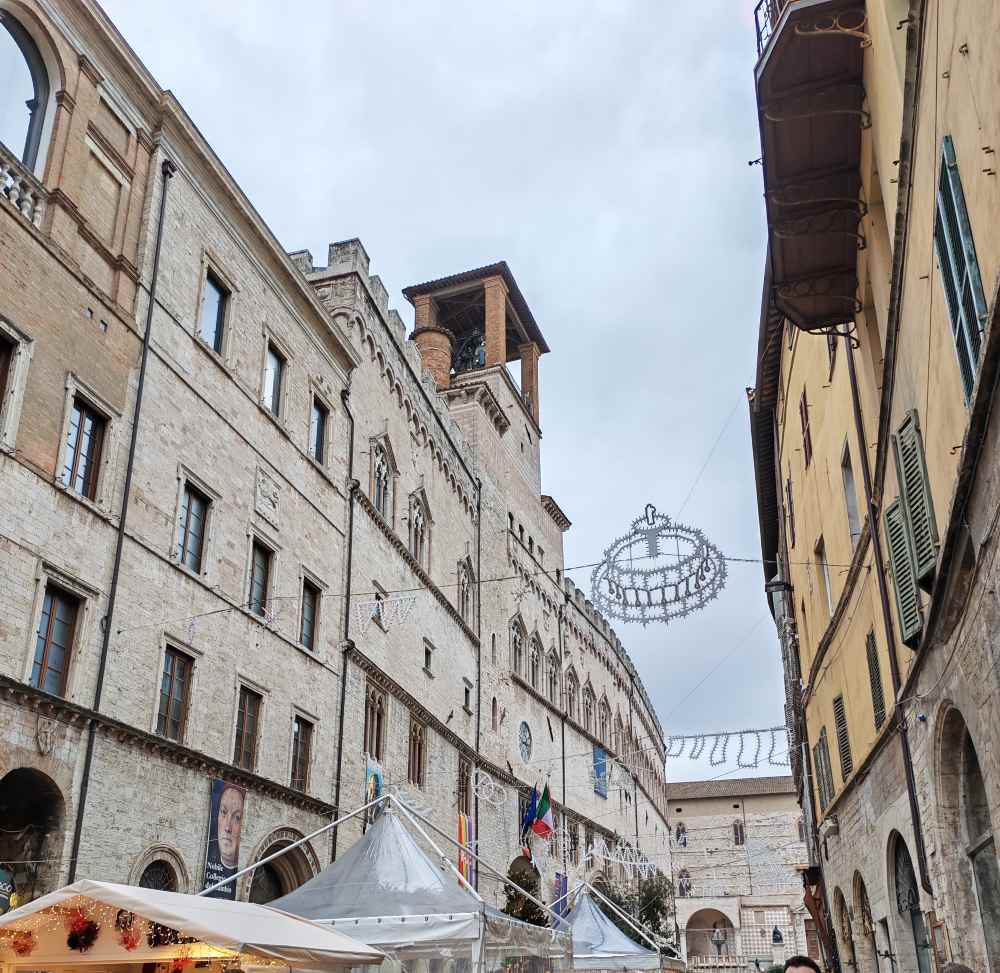
We begin our visit from the pulsating center of Perugia, one of the most scenic spaces in Italy: Piazza IV Novembre, a medieval lounge dominated by the famous Fontana Maggiore, a masterpiece in stone and bronze that tells of myths, seasons and agricultural life through refined reliefs. Next to it stands the solemn Cathedral of San Lorenzo, while the Gothic profile of the Palazzo dei Priori frames the square with its severe elegance. It is here that the city shows its most authentic soul, suspended between civil power and spirituality.
@RebeccaManzi/GreenMe
@RebeccaManzi/GreenMe
Corso Vannucci: the elegant promenade of the city
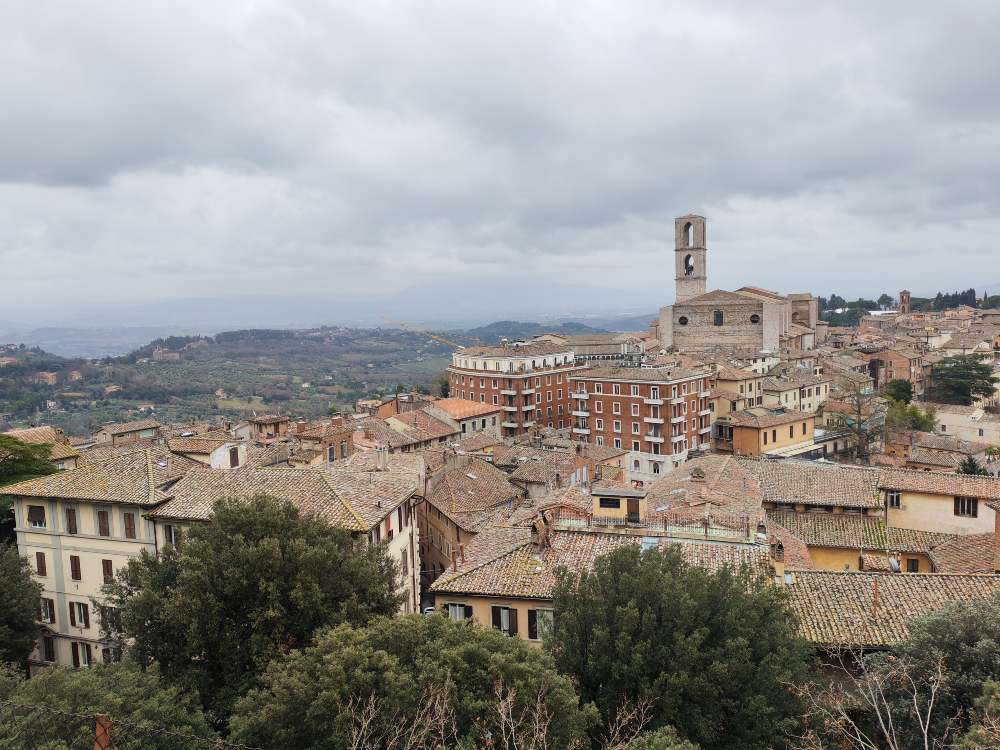
Corso Vannucci opens from Piazza IV Novembre, the most iconic and lively street in the historic center. Here boutiques, historic cafés and noble palaces intertwine, in a continuous flow of city life. The walk leads to the Carducci Gardens, one of the most loved panoramic points, where the gaze is lost between hills and medieval roofs. It is a street that tells of the dual nature of Perugia: elegant and university, refined but always alive.
@RebeccaManzi/GreenMe
@RebeccaManzi/GreenMe
Rocca Paolina: the city hidden under the city
One of the most surprising places is the Rocca Paolina, a true underground city born from the transformations desired by Pope Paul III in the 16th century. Today its stone corridors, escalators and exhibition spaces offer a journey back in time through what remains of ancient medieval Perugia. Walking here means crossing centuries of history compressed below the level of the modern city, in an almost suspended atmosphere.
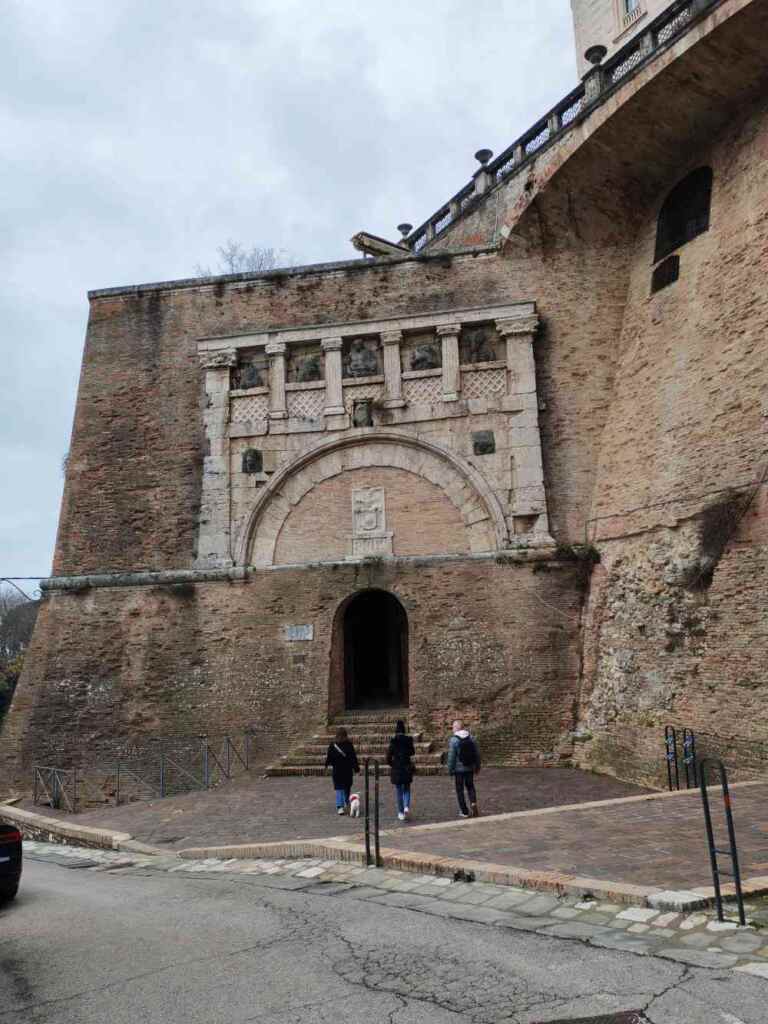
@RebeccaManzi/GreenMe
The Aqueduct and the views: the most poetic Perugia
However, the most evocative experience we had was the walk along the ancient medieval aqueduct. Extraordinary hydraulic pear begun in 1254 and completed in 1280 under the guidance of Fra Bevignate and Boninsegna from Venice, today it has been transformed into a panoramic pedestrian path.
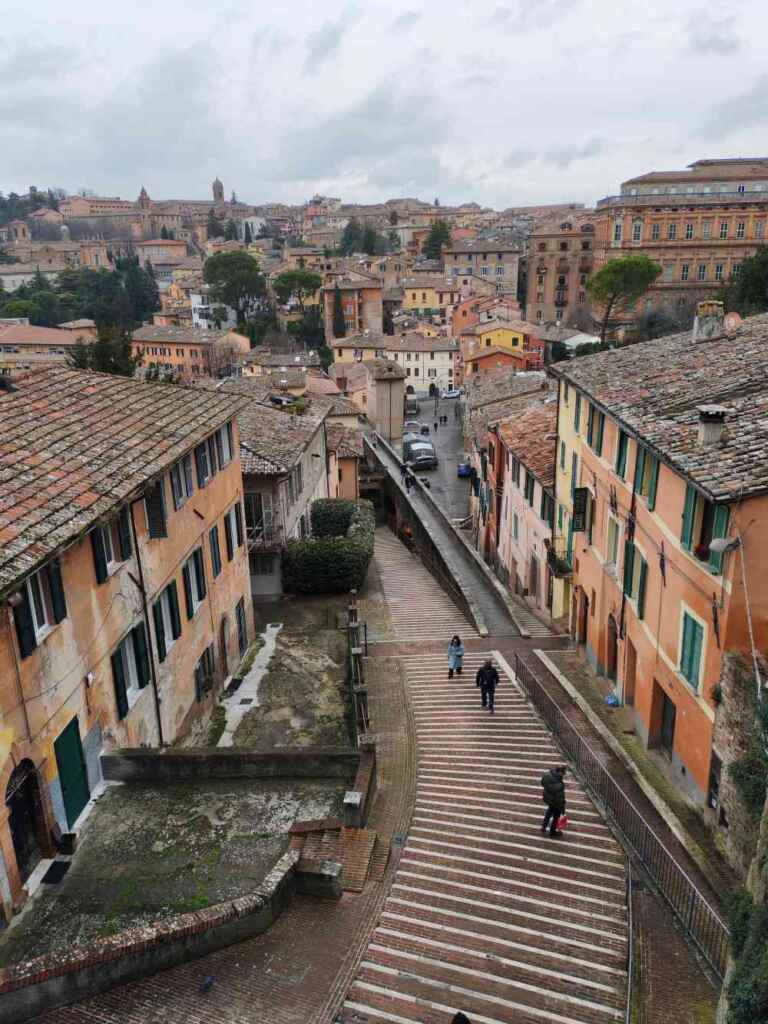
@RebeccaManzi/GreenMe
The water was conveyed from Monte Pacciano to the Fontana Maggiore, along a route of approximately 4 km, without the use of pumps but through an ingenious forced conduit system, capable of pushing the water against the difference in height: an exceptional technical feat for the time. Today, along the route between San Marco, Ponte d’Oddi and Monte Pacciano, the remains of the arches are still visible, partly rebuilt over the centuries and now surrounded by vegetation, together with the structures of the Water Museum and Conservoni (currently closed).
One of the most fascinating stretches is the urban one, transformed in the 19th century into a hanging promenade that connects Porta Sant’Angelo to the historic centre: a spanned bridge with large stone arches, enriched by houses built over time without altering the original structure. Here the aqueduct becomes a real suspended road, one of the most characteristic routes of the city. The view opens onto an unexpected Perugia, made up of suspended houses, arches and green glimpses. A real gem that cannot be missed, albeit slightly far from the centre.
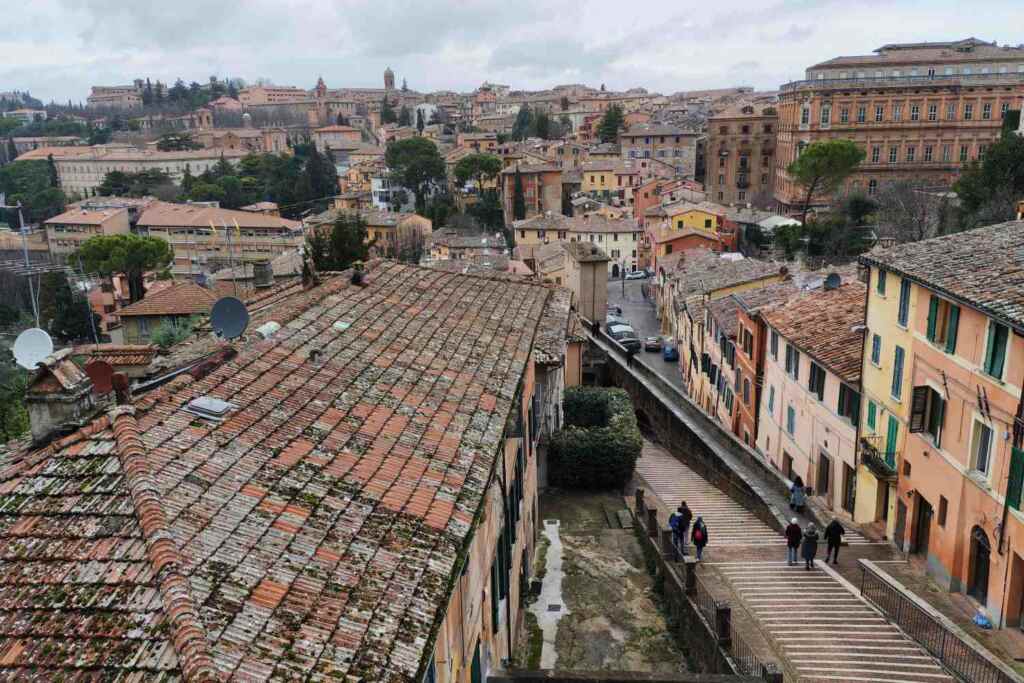
@RebeccaManzi/GreenMe
Perugia and chocolate: the history of the sweetest city in Italy
As mentioned before, however, alongside its medieval and artistic heritage, Perugia is known throughout the world as the City of Chocolate, a surprisingly recent identity but deeply rooted in the local economic and cultural fabric. It all began in 1907, when Perugina was born, thanks to the entrepreneurial vision of Luisa Spagnoli and other partners.
From that artisan reality, one of the most important confectionery industries in Italy took shape, destined to change the face of the city forever. The true symbol of this story is the famous Bacio Perugina, created in 1922: a small gianduia chocolate with whole hazelnut and dark chocolate covering, made unique by the notes with love phrases that transformed it into a romantic icon recognized everywhere.
The success of Perugina is not only industrial, but also social and identity-related: it has guaranteed work for generations of Perugians and has spread the name of the city throughout the world, creating a true productive and cultural ecosystem around chocolate. Over the years, in fact, former employees and artisans have contributed to the development of new confectionery realities, while the growing attention towards quality food and wine has strengthened this bond.
Today Perugia hosts international events such as Eurochocolate, dedicated museums, specialized shops and even thematic structures, transforming itself into a destination where chocolate is not just a product, but a real experience.
You might also be interested in:
