
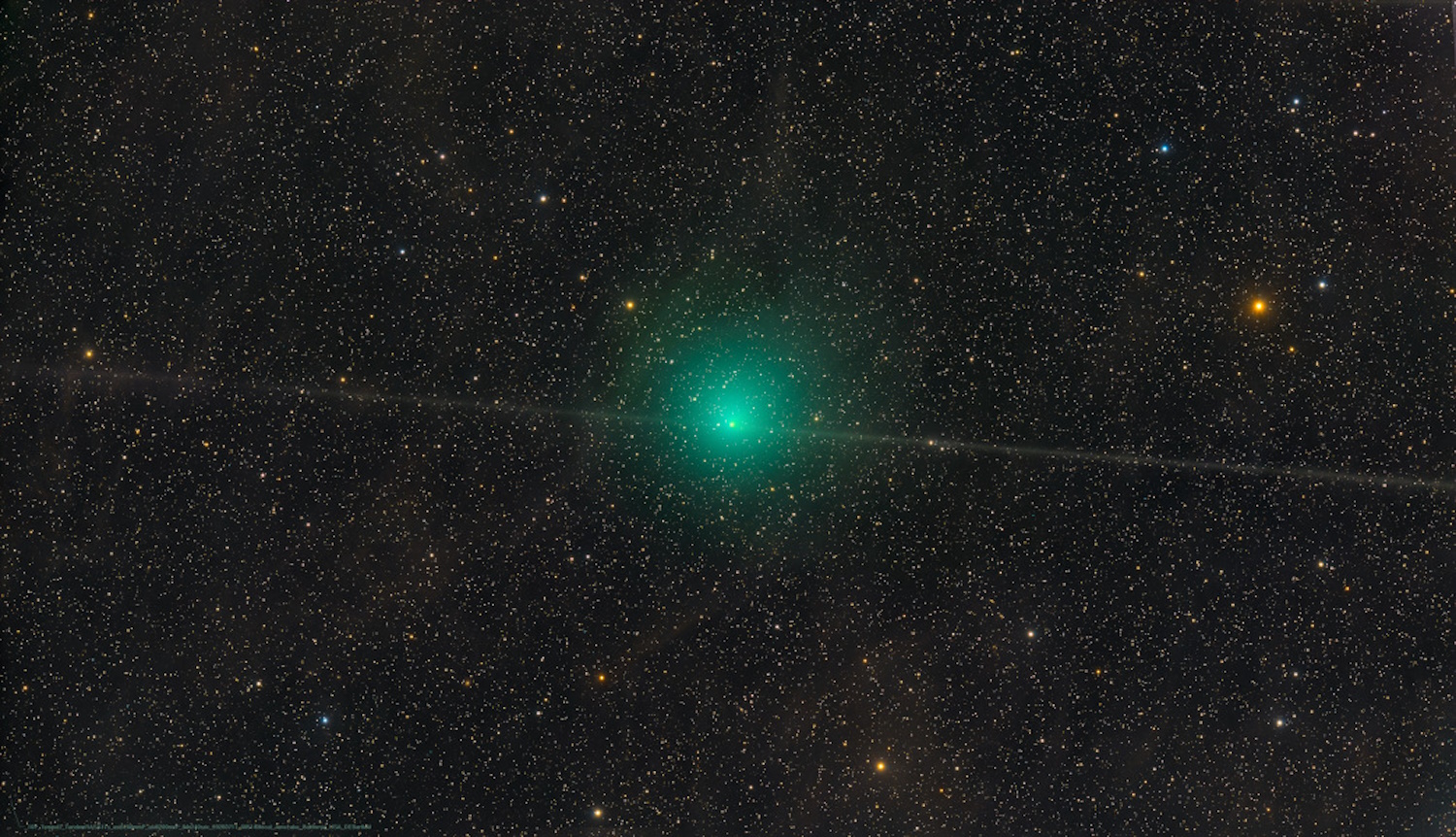
Let’s get ready, July 27th comet 10P/Tempel 2 will pass very close (for astronomical distances) toglobular cluster Messier 30an excellent opportunity to take it back. And this won’t be the only event to remember, we don’t miss out!
Comet 10P/Tempel 2 orbits the Sun once every 5.4 years.
Currently visible in binoculars or small telescopes toward the constellation Capricornus, the periodic comet is captured in this sharp telescopic image from July 11 sporting a bright nuclear region and pretty greenish… pic.twitter.com/aTM7Oo6rwL
— NASA Astronomy Picture of the Day (@apod) July 18, 2026
Comet 10P/Tempel 2
Comet 10P/Tempel 2 orbits the Sun once every 5.4 years, and as the IAU explains, it is the tenth periodic comet in the International Catalog, named after its discoverer Ernst Wilhelm Leberecht Tempel known as Wilhelm Tempel.
The astronomer, in particular, spotted the celestial object for the first time July 4, 1873 when he worked as an assistant at the Italian Brera observatory in Milan, directed by the most important astronomer of the time, Giovanni Virginio Schiaparelliusing a 10.8 cm, 162 focal length telescope with a wide field eyepiece that produced 24 magnifications and 2 apparent degrees.
Events not to be missed
Currently, the comet is visible with binoculars or small telescopes in the direction of constellation of Capricornhaving crossed its orbital plane last July 20th. On August 2 it will reach perihelion, which is the point of its trajectory closest to the sun.
©UAI
But until that date we should see a further increase in brightnessas seen in the table, and on the 27th of the month it will pass into heaven very close to the globular cluster M30an excellent opportunity to take it back (on the map the sky of July 27, 2026 at approximately 11.00 pm).
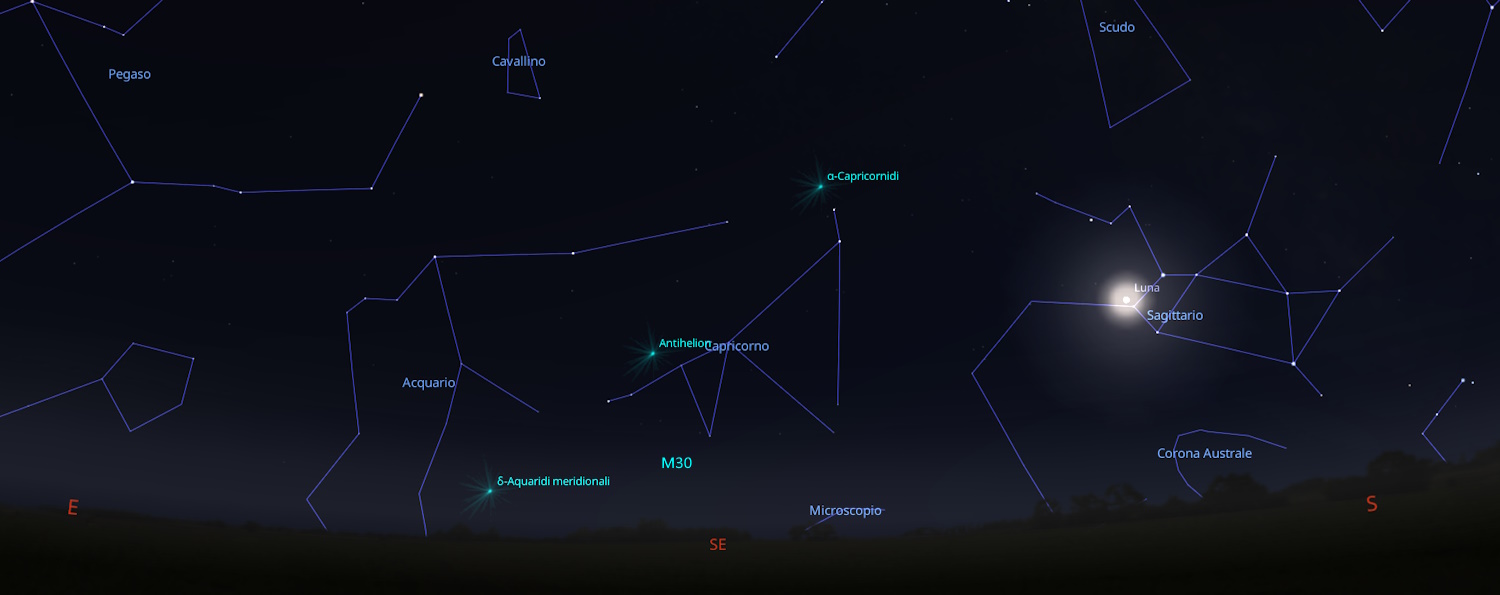
©Stellarium
The point of closest approach to Earth it will instead be the August 3.
Don’t miss it!
Sources: UAI / NASA / NASA Astronomy Picture of the Day/X
