
The epidemiological emergency linked to African swine fever is experiencing an extremely critical phase in Italy, pushing forcefully along the ridge of the northern Apennines and directly threatening the heart of national livestock farming. The alarm was triggered following the confirmation of two outbreaks of infection detected within commercial structures in Tuscany.
The first episode was recorded in Comano, in the province of Massa-Carrara and is the first case confirmed among domestic pigs in the region. A few days later, the disease manifested itself in San Marcello Piteglio, on the Pistoia mountains, where three wild boar carcasses and two dead pigs on the farm tested positive, leading to the immediate slaughter of around one hundred animals to contain the transmission of the pathogen.
The virus crossed the Apennines
The expansion of the disease towards the bordering territories of Lizzano in Belvedere, located in the metropolitan city of Bologna, and Fanano, in the province of Modena, highlights constant infectious pressure from wildlife. The entire Apennine area between Cuneo and the Modena area now constitutes an endemically infected area. Since the beginning of the health crisis in Italy there have been over fifty outbreaks in production plants, with the consequent slaughter of over 120 thousand animals, of which three were recorded in the first six months of 2026 between the provinces of Alessandria, Massa-Carrara and Pistoia.
The threat to the Cinta Senese
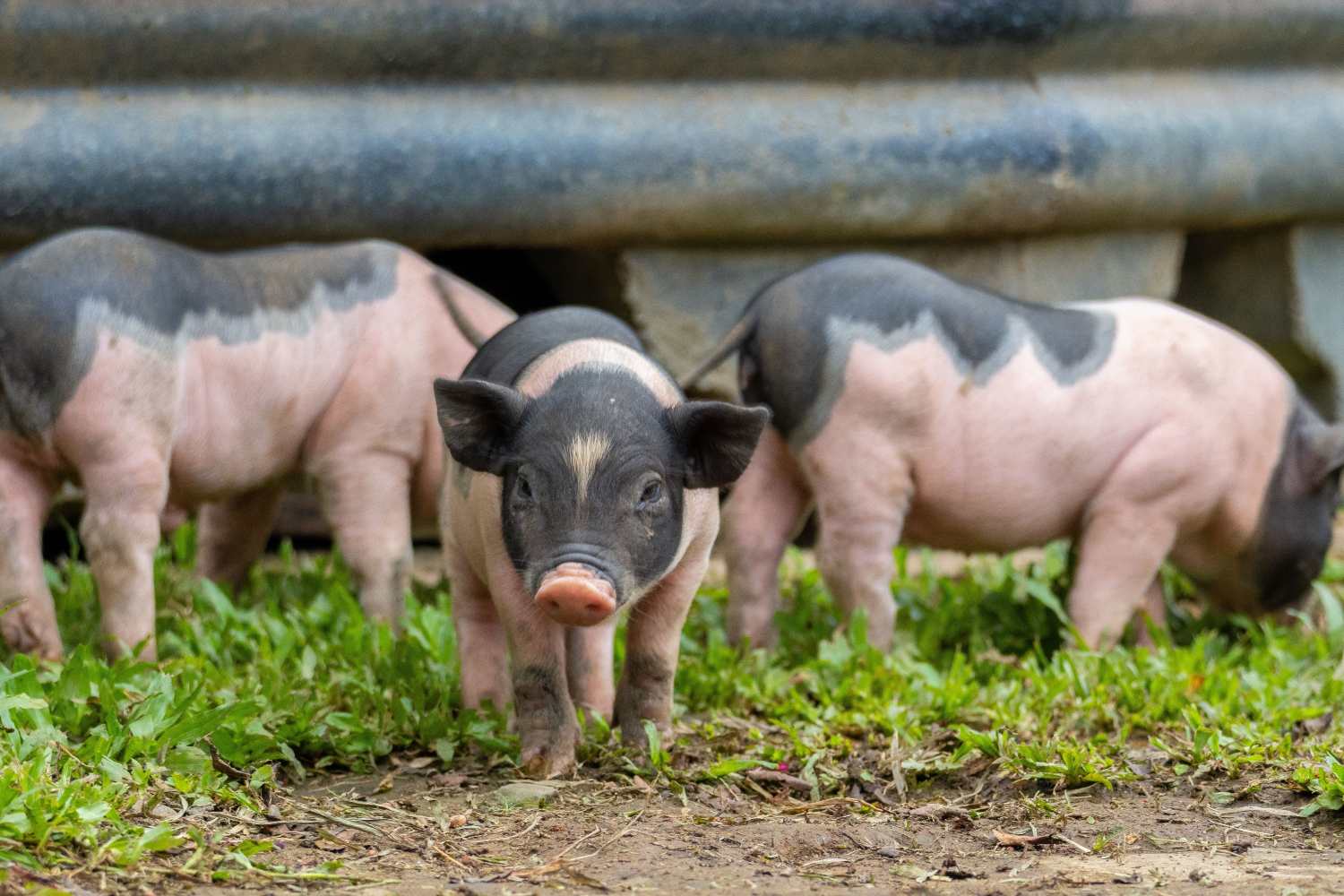
Suffering the most dramatic consequences of this dynamic is the Cinta Senese, an iconic native pig breed raised mainly in the wild or semi-wild state in the Tuscan woods. This grazing method, essential for preserving the organoleptic qualities of the meat, however exposes the animals to unavoidable contact with wildlife.
The loss of hundreds of specimens due to sanitary suppression has reduced the total population to around 3,000 specimens, projecting the species towards a real danger of extinction. Nicolò Savigni, president of the Consortium for the Protection of Cinta Senese Dop, launched a heartfelt appeal to institutions such as the Tuscany Region, the Ministry of Health, the Ministry of Agriculture and the Extraordinary Commissioner for African Swine Fever, asking them to consider the farms as strategic safeguards. The entire sector involves 79 farmers, 6 slaughter facilities and 18 processing companies, for an economic value estimated at 5.5 million euros.
View this post on Instagram
The “Noah’s Ark” emergency plan
To avoid the definitive disappearance of the breed, the Tuscany Region is examining an extraordinary hypothesis called “Noah’s Ark”. The project would consist of selecting and transferring 9 specimens of Cinta Senese to the island of Pianosa, isolating them geographically to protect their DNA and guarantee the genetic continuity of the species protected from continental infections.
Although the disease does not present any risk of transmission to human health either through contact or through the consumption of meat, the economic damage linked to the blocking of animal movement and export restrictions risks permanently compromising the excellence of the Italian agri-food heritage.
