
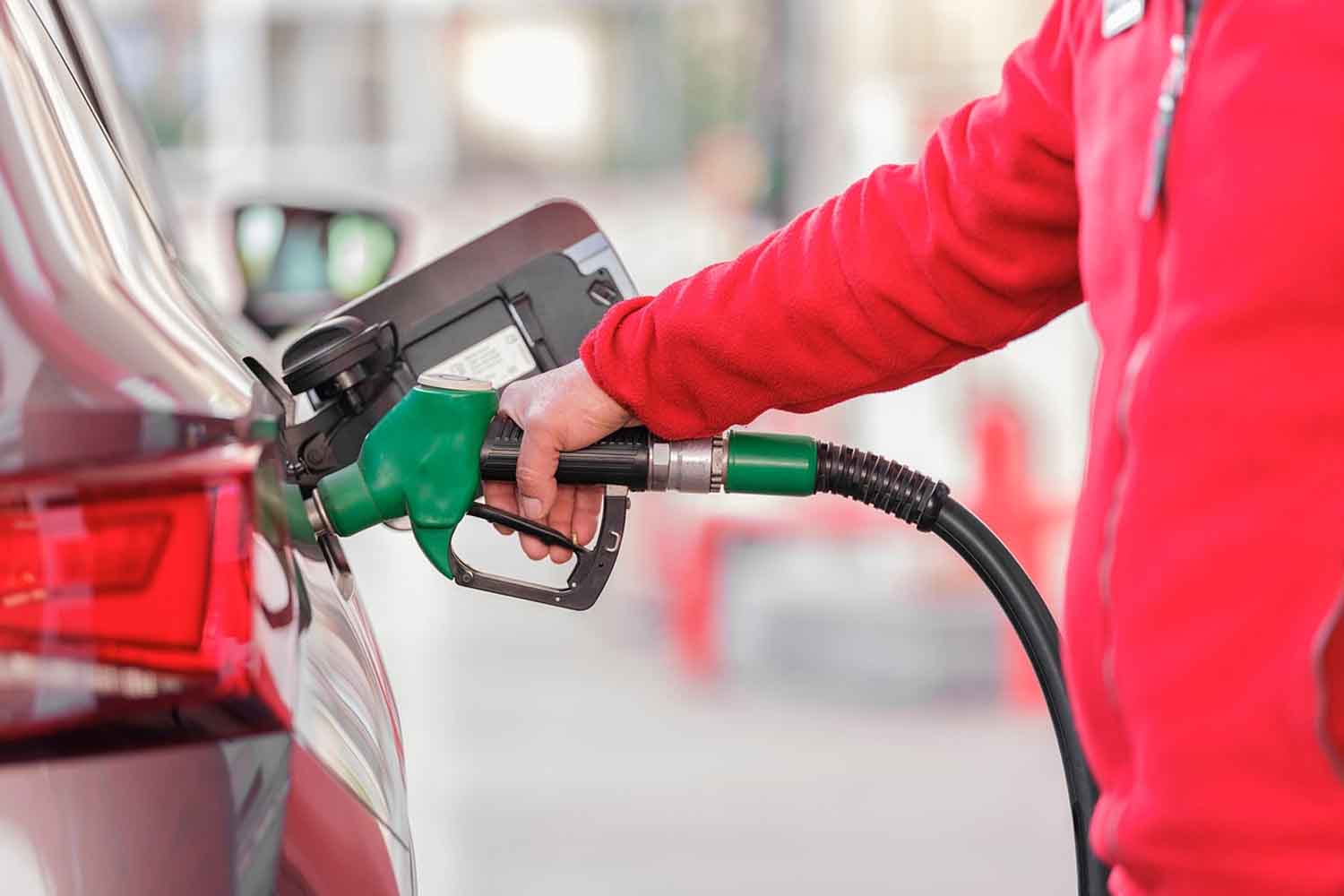
Those who use diesel today still find around 17 cents less in taxes per litre. The discount that should have stopped on August 26th has been dragged until September 5th 2026. Another ten days. To finance them, together with the measures for road transport, the Government has chosen a rather particular coverage: making part of the taxes on the dividends of the large energy groups reach the state coffers first.
First, in fact. Because that money is not definitively taken away from the companies involved: when the dividends are actually paid, the advance will return in the form of a tax credit. The calendar changes a lot, the final bill much less.
The decree-law of 26 August 2026, n. 153, which came into force on 27 August, maintains the excise duty on diesel fuel at 532.90 euros per thousand liters until 5 September. According to the Council of Ministers, also considering the lower VAT, the reduction is worth a total of around 17 cents per litre.
On a 50 liter tank it means maintaining a theoretical saving of around 8.50 euros, provided that the tax reduction is transferred entirely to the price at the pump. In fact, the decree lowers the tax component: oil, transport costs and margins continue to do their job.
What changes when we fill up
For motorists and hauliers there is nothing to ask, fill out or show. The discount is incorporated directly into the fuel taxation.
The same reduced excise duty also applies to HVO and biodiesel which comply with the conditions established by European standards. Petrol and LPG remain outside the extension. The decree in fact expressly establishes the rate of 532.90 euros per thousand liters also for these alternative fuels to traditional diesel.
The tax discount, however, does not freeze the price displayed on the billboards. If international oil prices rise or other supply chain costs change, diesel may continue to increase in price even during these ten days.
How much does it cost to extend the discount
To maintain the reduced excise duty from 27 August to 5 September, the State is taking into account 105.6 million euros in lower revenue in 2026. The decree also increases the resources linked to road transport measures by 22.1 million. Added to these figures is an increase of 2.6 million in the Fund for structural economic policy interventions.
The coverage for 2026 and 2027 comes from the increased revenue generated by a new tax mechanism dedicated to large energy groups. And this is where the diesel extension becomes more interesting than the ten days gained at the pump.
The large energy groups pay first, then recover
The measure concerns parent companies resident in Italy, obliged to draw up consolidated financial statements, with consolidated revenues exceeding 20 billion euros and activities in the energy sector: oil, petroleum products, natural gas, electricity and related production, import, storage, transport, distribution and sales phases.
The decree does not name names. Establishes requirements.
By November 30th of each year, the groups that fall within the norm must pay an amount equal to 39% of the withholdings and substitute taxes that would be due on the dividends already approved and destined to be paid subsequently. Said in a less fiscal way: a part of the taxes that would normally reach the State when the shareholders receive the dividends is collected first.
When those dividends are actually distributed, the company is awarded a tax credit of the same amount paid in advance. If part of it remains unused, it can be offset against other sums owed or refunded. Even in the event of revocation of the dividend distribution, the advance payment may be transformed into a credit or be requested back.
The rates applied to shareholders do not change. Nor does it increase, in this way, the overall tax burden expected on dividends. The State takes part of the money first and recognizes it later. A difference that is far from irrelevant for today’s public accounts, much less spectacular if you look at it from the final balance.
Then there is a detail that clashes with the microscopic duration of the extension: the tax mechanism comes into operation from the tax period following the one in progress on 31 December 2025 and a final deadline does not appear in the decree. The ten days of discounted diesel ends on September 5th. The advance on taxes of energy groups, unless subsequent legislative changes, remains.
A fossil discount that doesn’t look at income
The measure offers immediate relief to those who use cars, vans and trucks every day and are suffering from fuel increases. It does so, however, with the simplest possible system: around 17 cents for each litre, regardless of who buys it and why.
The same reduction applies to those who do not have alternatives to the car to go to work, for a large company fleet and for those who travel thousands of kilometers with a diesel SUV. The more fuel you purchase, the greater the overall benefit becomes. No income to declare, no social requirements, no distinction between necessity and consumption.
And then there’s the fuel involved. The state temporarily gives up part of its tax revenue to make a fossil fuel cheaper. According to the European Environment Agency, in 2022 road transport produced 73.2% of the greenhouse gas emissions generated by transport in the European Union and 21.1% of all EU emissions.
Cars, trucks and vans also remain a major source of nitrogen oxides and other air pollutants, although emissions of many pollutants have decreased over time thanks to stricter regulations, more efficient engines and abatement systems.
In the decree, alongside the reduction of diesel, there are no equivalent measures to make public transport more convenient, strengthen the railways or structurally reduce dependence on fossil fuels. The relief comes immediately, the problem that makes it necessary remains parked nearby.
From September 6th we start again
The excise tax reduction ends on September 5th. From the following day the ordinary rate will return, unless the Government intervenes with another extension.
For now, diesel has earned a ten-day discount and the State has earned a few months’ advance on part of the taxes linked to the dividends of large energy groups. The groups will recover those sums; those who fill up recover 17 cents per litre. Oil, traffic and emissions, however, did not receive extensions.
