
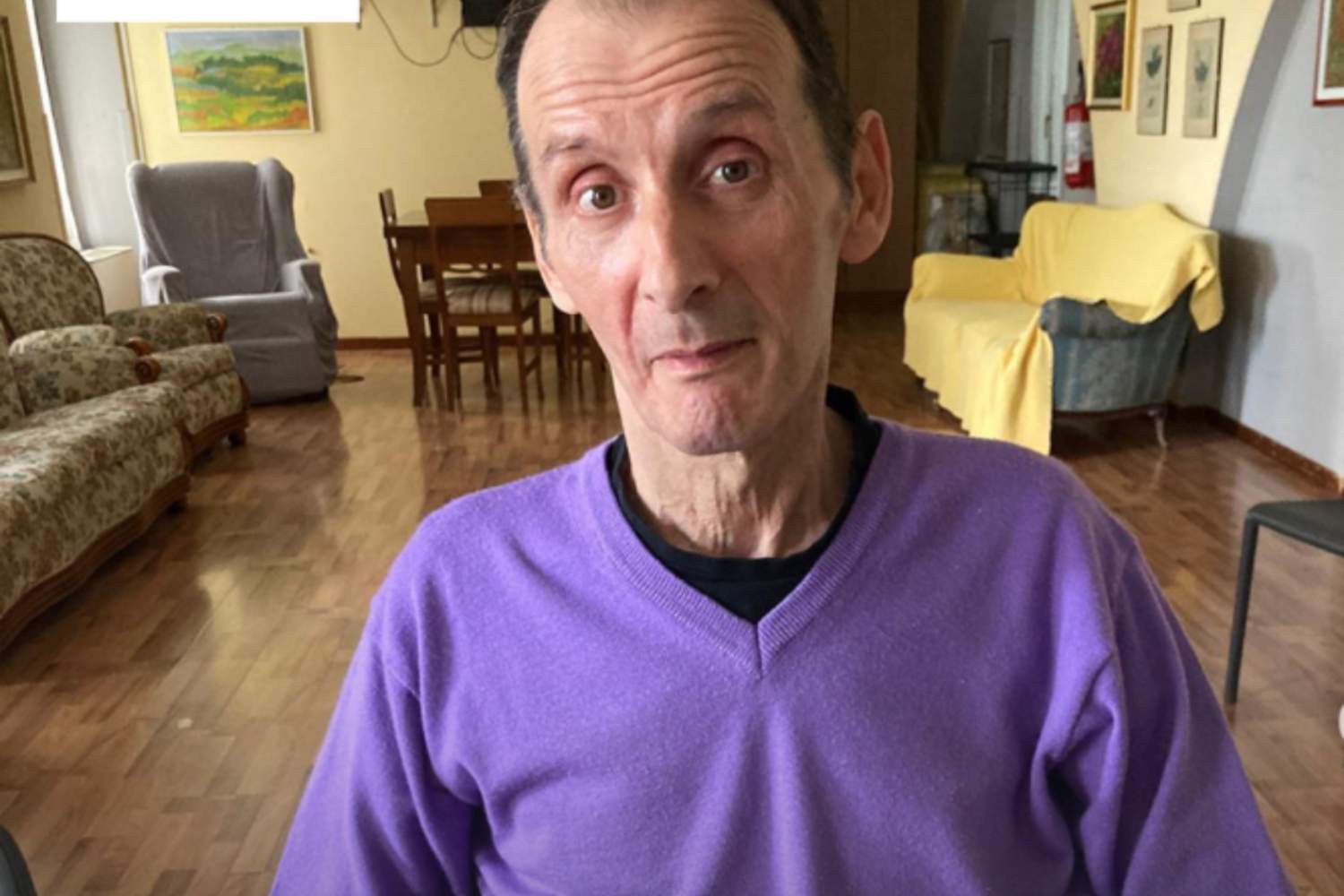
A decision made in the depths of pain and carried out with determination until the last moment. On 25 August 2026, Domenico Zuccarella, a fifty-nine-year-old resident in Brianza and suffering from secondary progressive multiple sclerosis, died in Lombardy, obtaining access to medically assisted suicide.
The event marks a fundamental watershed for local health institutions: it is in fact the third case of voluntary death recorded in the region, but it is absolutely the first in which the Lombardy Regional Health Service has autonomously taken charge of every single phase of the implementation process. The public structure did not limit itself to examining the legal requirements, but directly provided the lethal drug, the necessary equipment, medical assistance with volunteer staff and even the suitable structure in which to complete the process. Respecting his last wishes, the man also chose to donate his body to scientific research.
Nine months of waiting, legal warnings and crying in the courtroom
Domenico Zuccarella’s clinical and judicial career has strongly highlighted the complexity of our bureaucratic networks. The man had forwarded the first formal request to the ASST Ovest Milanese on 8 November 2025. Since that day, 290 days have passed, over nine months of unnerving waiting, compared to the maximum 145 days established by the regional guidelines approved on 13 May 2026.
Although the multidisciplinary medical commission had already confirmed by majority on 18 May the existence of the four pillars established by the Constitutional Court (irreversible pathology, intolerable suffering, dependence on life support treatments and full capacity to understand), the subsequent passage to the Ethics Committee generated further stalemates for requests for further information. A slowness that pushed his lawyers to present an urgent appeal to the Court at the end of May. During the hearing on June 23, Zuccarella gave a poignant direct testimony to the judge, summing up his desperation with the phrase:
I’m tired, I can’t take it anymore.
The front of reactions between the Region’s response and the Coscioni Association
The conclusion of the process inevitably reignited the political and ethical debate. Filomena Gallo and Marco Cappato, national leaders of the Luca Coscioni Association, expressed their support by underlining that Domenico Zuccarella has opened a fundamental path for those who will find themselves facing similar tragedies in the future, demonstrating the feasibility of an entirely public path.
View this post on Instagram
Soon came the reply from Guido Bertolaso, Councilor for Welfare of the Lombardy Region, who remarked that the Region had not issued official press releases to protect patient confidentiality and avoid any political exploitation. Bertolaso specified that the structures operated in strict compliance with the rules and rulings of the Consulta, guaranteeing the full right to individual choice without giving in to media hype.
The map of the end of life in Italy: the precedents and regional fragmentation
The Lombard case is part of an extremely varied and constantly evolving national panorama, where the protection of the right to voluntary death proceeds like wildfire between regional initiatives and legal battles. The first historic Italian precedent of complete public assistance dates back to November 2023 in Friuli-Venezia Giulia, when fifty-five-year-old Anna, also suffering from progressive multiple sclerosis, completed the procedure with the total help of ASUGI of Trieste. Lombardy had already registered the cases of Serena, a fifty-year-old from Milan who disappeared in January 2026, and of another citizen in the Bergamo area in April 2026, although in those circumstances the intervention of the public system was only partial.
Different scenarios have been found in other areas of Italy: in Liguria, the case of Silvano V. in February 2026 and a second episode in April 2026 saw the National Health Service make drugs and aids available, but the final medical support was entrusted to trusted private professionals due to a lack of available internal staff. Similar methods characterized the fourth case in Tuscany, where the patient Mariasole was supported by her private doctor in May 2026, and the first case in Piedmont conducted at the ASL TO4 in February 2026. To date, the territorial regulatory framework sees only three Regions with a specific law approved on the matter: Tuscany, Sardinia and Emilia-Romagna.
