
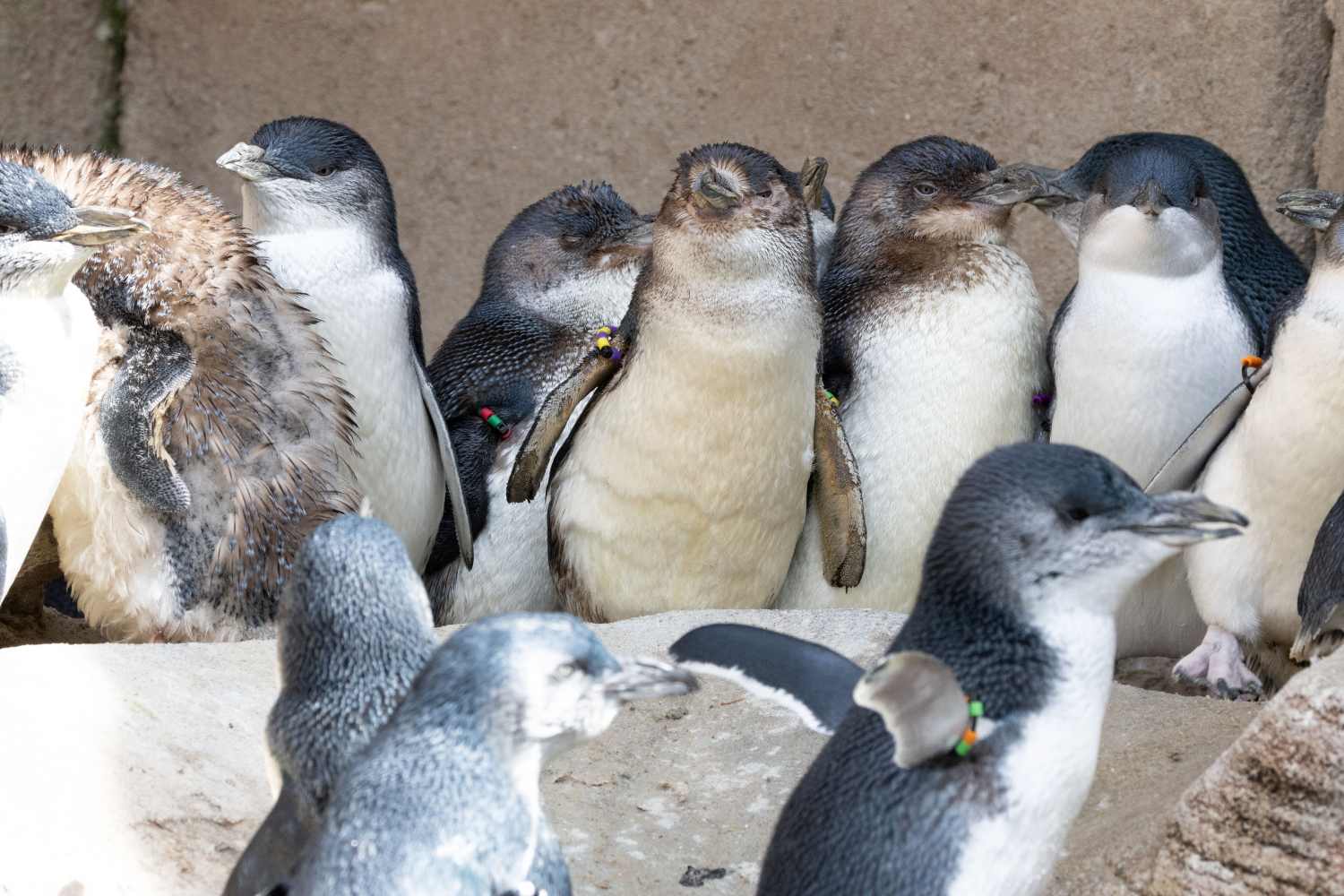
Australia is facing an unprecedented health threat to its wildlife due to the rapid advance of the H5N1 avian influenza virus. At the center of the emergency is Phillip Island, in the State of Victoria, home to a colony of around 40 thousand lesser blue penguins (Eudyptula minor). To protect these approximately 30 centimeter tall animals, the health authorities and researchers led by James Todd, responsible for local biodiversity, and Catherine Basterfield, managing director of the Phillip Island Nature Parks, have launched an extraordinary plan.
The operation aims to administer 10,000 doses of the vaccine to a target of 5,000 penguins distributed between Phillip Island and St Kilda beach. The administration involves a two-dose cycle three or four weeks apart: the specimens are intercepted in the evening as they come back from the beach, temporarily held in small enclosures for injection and identification with microchips, before being released. The intervention, supported by the Minister of the Environment Jaclyn Symes, involves a financial investment of 2 million dollars and is aimed at mitigating the impact of an epidemic which, according to simulations, could cause the loss of between 8 thousand and 16 thousand penguins.
The spread of the H5N1 strain among marine species and mammals
The need to proceed promptly is linked to the confirmed presence of the virus within the colony. On 15 August 2026, the death of the first infected lesser blue penguin on Phillip Island was confirmed. The viral circulation has also caused significant deaths among other species of seabirds: in the areas of Southern Australia, between the islands of Troubridge and Pages, over a thousand dead specimens of crested tern have been found (Thalasseus bergii), while in Queensland a positive case was recorded in a shearwater on the Sunshine Coast.
The epidemiological situation has shown an evolution with the involvement of marine mammals. On August 23, 2026, authorities confirmed the H5N1 death of a southern fur seal (Arctocephalus forsteri) in Beachport, followed by the identification of a second suspected case in the Pages Islands, near Kangaroo Island. The latter area hosts important breeding sites of the Australian sea lion (Neophoca cinerea), an endangered species which numbers a total of approximately 12,000 individuals and is considered at high risk of contagion.
Containment measures and international protection programs
The initiative launched on Phillip Island represents one of the most extensive prophylactic interventions ever carried out on a population of seabirds in the wild. Similar interventions have also been prepared in New Zealand, where immunization programs have been launched aimed at rare and endangered bird species. Although the risk of transmission of the infection from animals to humans remains low, the extent of the pathogen in coastal ecosystems requires constant monitoring by veterinarians and biologists. The primary objective of the vaccination campaign remains the reduction of the viral load and mortality in contexts with high population density, combining the protection of free fauna with priority interventions for vulnerable species kept within national zoological structures.
