
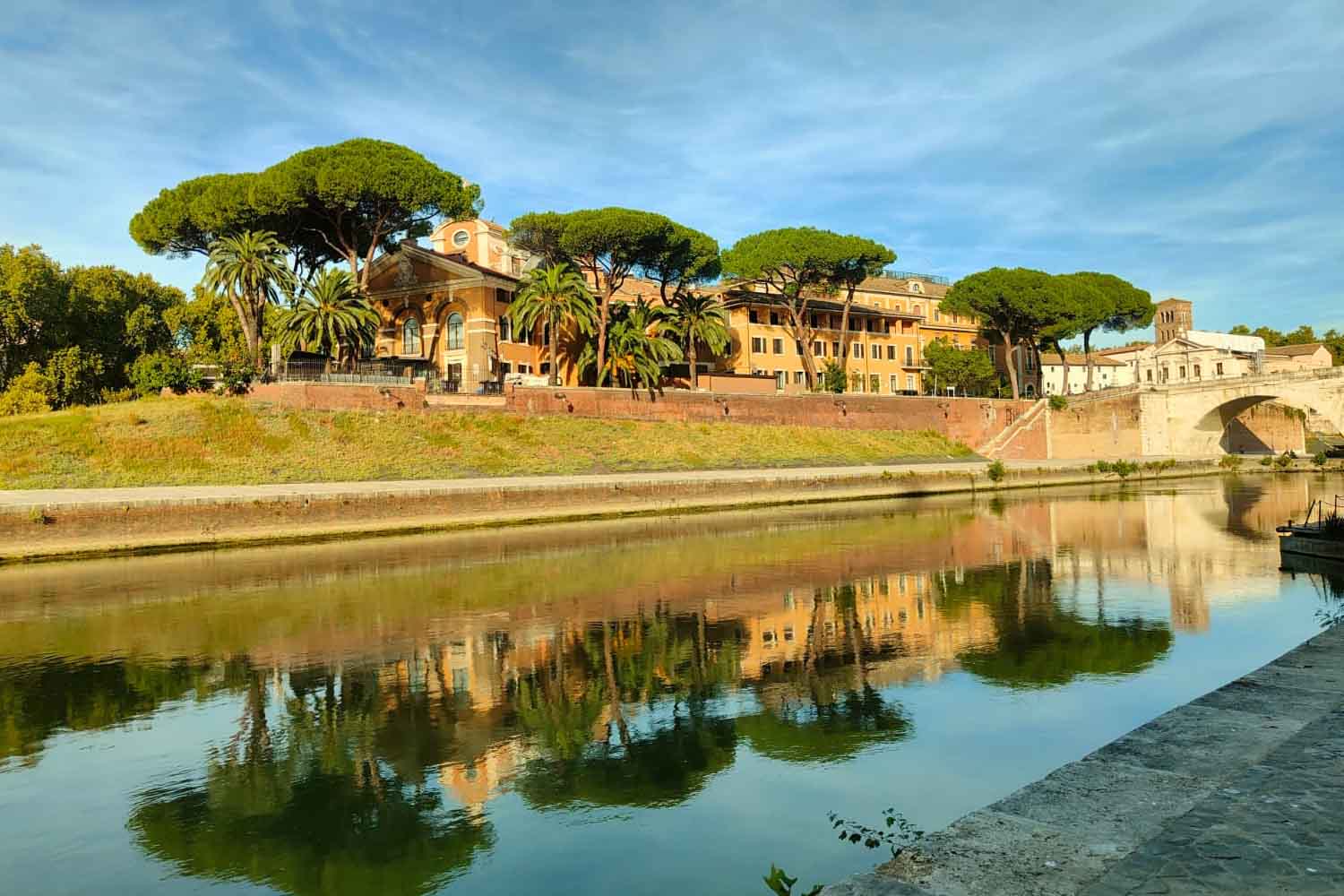
In September 2025, in just one park along the Tiber, more than 500 observations were uploaded and at least 160 species identified. This year the scope is widening: from 19 September to 4 October 2026 citizens and experts will observe eight river areas of Rome, from Acqua Acetosa to Ostia Antica, photographing plants, insects, birds, fish and other organisms encountered along the banks.
It is the second Roman edition of a bioblitza concentrated collection of biodiversity observations in a limited place and time. The reports will be uploaded to iNaturalist and will be added to the platform’s international database. More than discovering some mysterious creature hidden in the Tiber, the goal is to put together many small data on what already lives next to the city and which often simply goes unnoticed.
©Chloé Cipolletta RHRB
From just one park to eight riverside areas
The first Roman edition took place at Prati dell’Acqua Acetosa and involved, according to data released by the organizers, over 90 people. This time the observation will be distributed along several stretches of the river, allowing different areas of the same river system to be compared.
To participate you need to register for free and have the iNaturalist app, to be used during outings to photograph and record the organisms encountered. The events will change depending on the area, including species censuses, bird observation, scientific games and environmental education activities, with the support of experts.
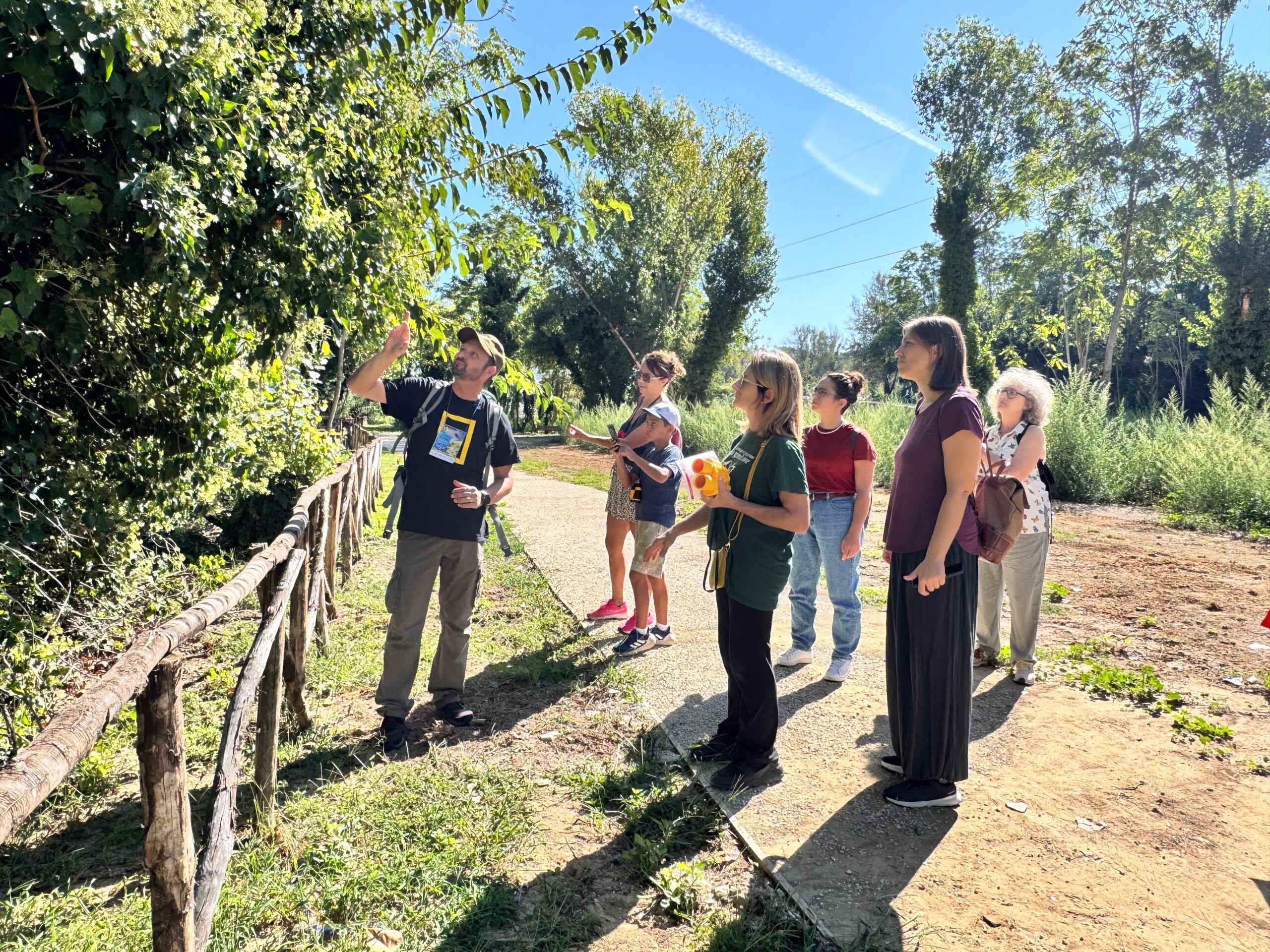
©Martina Capriotti RHRB
It starts on Saturday 19 September at 4.30pm at Prati dell’Acqua Acetosa and at 9.30pm in Tiberis, therefore with an evening outing too. On Sunday 20 September the meetings will be at Magliana at 10.30am and at Lungotevere delle Navi at 4.30pm. On September 27th it will be the turn of the Ponte Milvio and Foro Italico area in the morning and Marconi in the afternoon; the last day is set for October 4th in Ostia Antica. Times, details and registrations are available in the Frascati Scienza programme.
This is not a definitive inventory of the Tiber’s biodiversity. A bioblitz photographs what is observed at those times, in those places and by those people. The difference lies in the quantity and distribution of reports: a dragonfly in Acqua Acetosa, a spontaneous plant in Magliana or a bird observed in Ostia become pieces of the same archive.
©Pascal Abatiello RHRB
A project born on the rivers
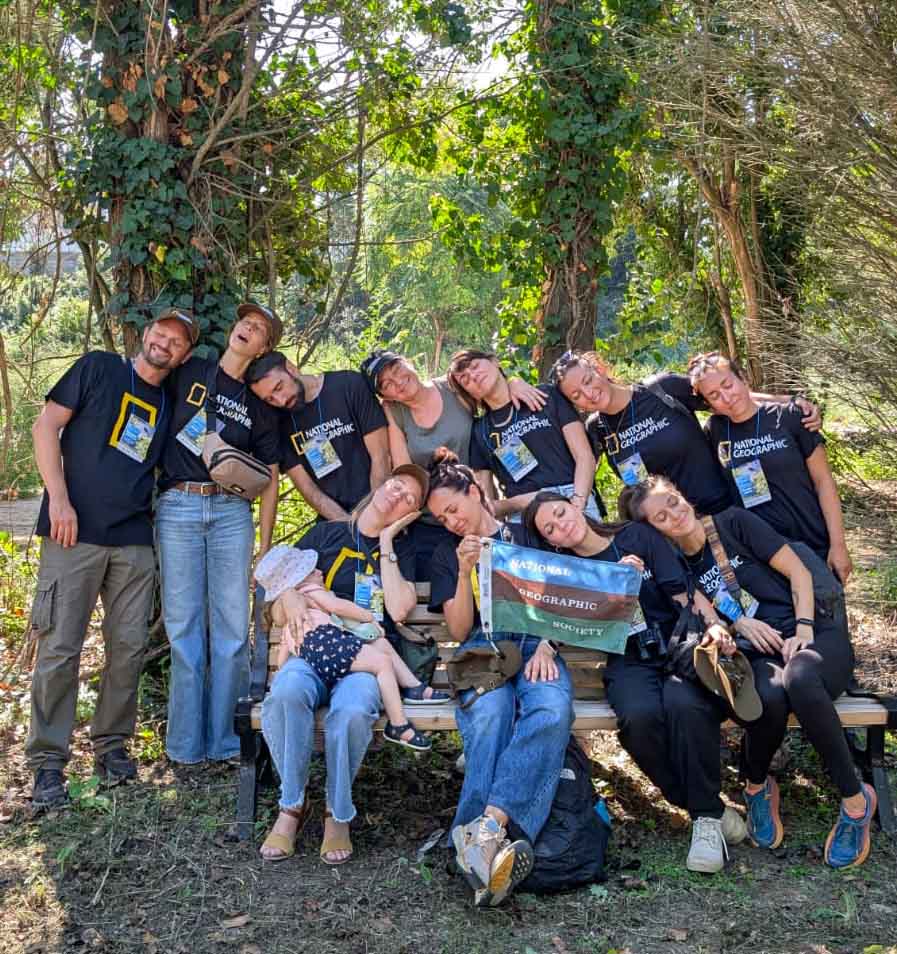
The Home River Bioblitz was born in 2020 and, according to the release, has been brought to over 150 rivers on five continents. He arrived in Rome in 2025; the new edition is created by SeedScience and G.Eco with the contribution of the Department of Agriculture, Environment and Waste Cycle of Rome Capital and is part of the science week organized by Frascati Scienza.
For three weekends, therefore, the Tiber will be watched with a little more attention than usual. And between a bank, a park and a more urban stretch, what normally remains in the background will finally end up inside the frame.
